Why Enemies-to-Lovers K-Drama Novels Dominate the Reading Scene
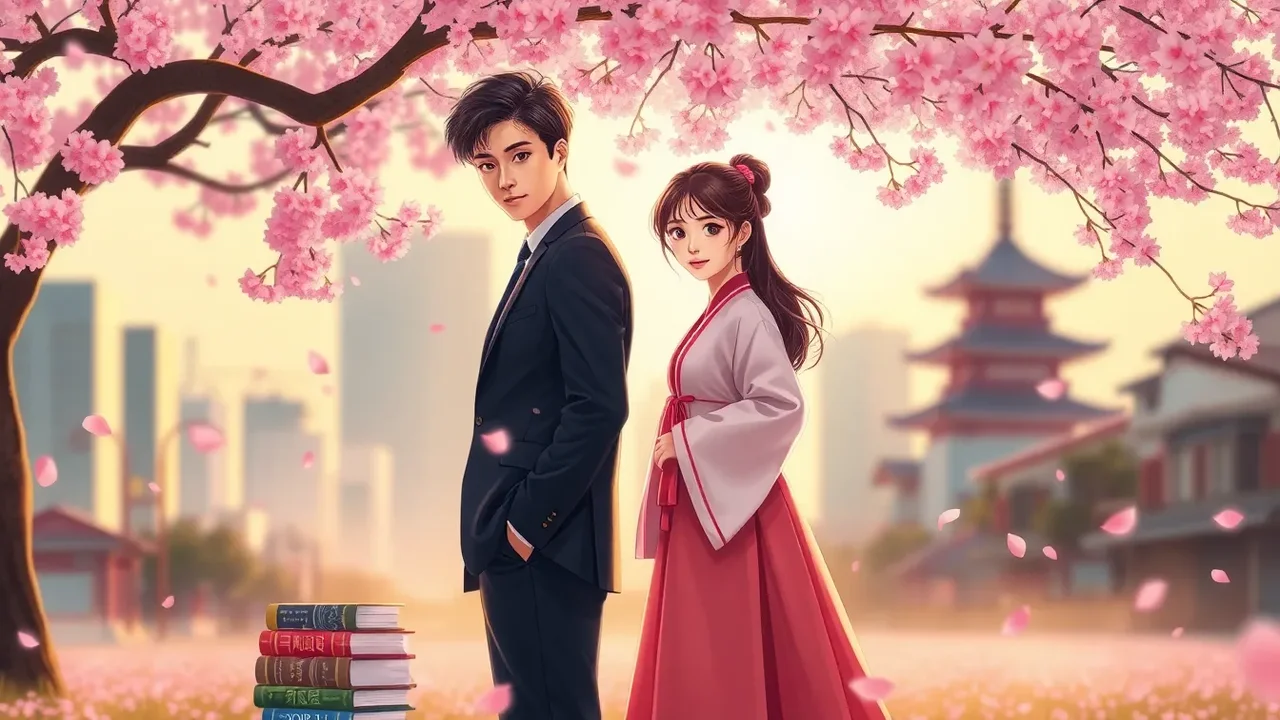
The enemies-to-lovers trope in K-drama novels offers a unique blend of tension, emotional depth, and cultural nuance that captivates readers worldwide. Unlike Western counterparts, these stories often weave in Confucian values, familial obligations, and societal hierarchies, making the transition from hatred to love both challenging and deeply satisfying. The trope thrives on the contrast between public animosity and private vulnerability, a hallmark of Korean storytelling that keeps readers turning pages late into the night.
Key Elements That Define the Trope in K-Drama Novels
Successful enemies-to-lovers K-drama novels rely on several core components. First, a believable conflict—whether it’s a corporate rivalry, a family feud, or a misunderstanding rooted in past trauma. Second, forced proximity, such as cohabitation, working together, or being trapped in a shared situation, which accelerates the emotional shift. Third, slow-burn romance that allows hatred to simmer before transforming into passion, often punctuated by moments of unexpected kindness. Examples include a CEO who despises his assistant until he sees her care for a stray dog, or a noblewoman who plots revenge against a scholar only to discover his hidden integrity.
The cultural context adds layers. In many K-drama novels, pride and saving face are paramount, so characters must navigate public perception while their private feelings evolve. This creates dramatic irony where the reader knows the truth before the characters do, enhancing engagement. Additionally, secondary characters—like meddling grandmothers or loyal best friends—often serve as catalysts for the romantic shift, providing comic relief or wisdom.
Top Enemies-to-Lovers K-Drama Novels to Read Now
Here is a curated list of must-read novels that exemplify this trope. Each title offers a distinct setting and conflict, ensuring variety for every reader.
- The Heir and the Maid by Ji-min Park: A chaebol heir and his housekeeper’s daughter clash over class boundaries, but a shared secret forces them to cooperate. The novel excels in showing how economic disparity fuels initial hatred.
- Rival Publishers by Soo-jin Lee: Two publishing house CEOs compete for a best-selling author’s manuscript, but a book fair trip to Jeju Island ignites unexpected sparks. The banter is sharp, and the romantic payoff is worth the wait.
- The Scholar’s Revenge by Hye-rim Choi: Set in Joseon-era Korea, a female scholar seeks vengeance against a male magistrate who ruined her family, only to learn his actions were misunderstood. Historical details enrich the emotional journey.
- K-Pop Rivals by Min-kyung Kim: Idols from competing entertainment agencies are forced to collaborate on a duet. The public feuds and private confessions mirror real K-pop dynamics, making it a fan favorite.
- Law & Love by Eun-ji Kang: A prosecutor and a defense attorney who loathe each other’s methods are assigned to a high-profile case. Their courtroom clashes give way to late-night legal debates and eventual tenderness.
| Novel Title | Author | Key Conflict | Unique Element |
|---|---|---|---|
| The Heir and the Maid | Ji-min Park | Class divide | Secret identity twist |
| Rival Publishers | Soo-jin Lee | Professional rivalry | Jeju Island setting |
| The Scholar’s Revenge | Hye-rim Choi | Historical revenge | Joseon-era authenticity |
| K-Pop Rivals | Min-kyung Kim | Industry competition | Real idol dynamics |
| Law & Love | Eun-ji Kang | Legal philosophy clash | Courtroom tension |
How to Choose the Perfect Enemies-to-Lovers K-Drama Novel
Selecting a novel depends on your preferred sub-genre. For modern settings with corporate intrigue, opt for The Heir and the Maid or Rival Publishers. If you enjoy historical romance with a vengeance plot, The Scholar’s Revenge delivers. For fans of K-pop culture, K-Pop Rivals is a must-read. Those who love legal dramas will appreciate Law & Love. Consider the pacing: some novels, like Rival Publishers, are fast-paced with quick resolution, while others, like The Scholar’s Revenge, are slow-burn with meticulous character development.
Readers should also look for novels that balance external conflict (e.g., family opposition, societal pressure) with internal conflict (e.g., self-doubt, pride). The best stories show both characters growing through their hatred, learning empathy and compromise. For instance, in The Heir and the Maid, the heir must confront his privilege, while the maid learns to trust beyond her class resentment.
Practical Tips for Finding More Enemies-to-Lovers K-Drama Novels
Explore online communities like Reddit’s r/KDRAMA or Goodreads lists tagged “enemies-to-lovers” and “Korean romance.” Authors like Ji-min Park and Soo-jin Lee often release series, so follow their social media for updates. Web novels on platforms like Wattpad or Radish also feature this trope, with many later adapted into K-dramas. Look for keywords like “chaebol,” “contract marriage,” “forced proximity,” and “slow burn” in descriptions. Additionally, check reviews for mentions of “banter,” “tension,” and “character growth” to ensure quality.
Book clubs dedicated to Asian literature frequently discuss these novels. Joining one can provide recommendations and deeper analysis. For example, the Seoul Stories Book Club on Discord often hosts monthly reads of enemies-to-lovers titles, with discussion prompts about cultural tropes.
The Emotional Journey of Enemies-to-Lovers in K-Drama Novels
What sets these novels apart is the emotional rollercoaster. Readers experience the sting of insults, the thrill of a first truce, and the heart-pounding moment of a first kiss that feels earned. The trope mirrors real-life relationship dynamics where initial dislike can mask attraction. K-drama novels excel in showing this transformation through small gestures: a shared umbrella during rain, a reluctant compliment, or a protective act in danger. These moments accumulate, breaking down walls and building intimacy.
For instance, in Law & Love, the prosecutor and defense attorney’s hatred stems from a past case where they opposed each other. But when a personal tragedy strikes one, the other shows up with homemade soup—a quiet act that changes everything. Such scenes resonate because they feel authentic, not forced. The cultural emphasis on indirect communication (nunchi) adds another layer: characters often show love through actions rather than words, making readers decode hidden meanings.
In conclusion, enemies-to-lovers K-drama novels offer a rich, rewarding reading experience. They combine the best of romance—tension, growth, and payoff—with unique cultural insights. Whether you’re new to the genre or a seasoned reader, these novels promise hours of immersive entertainment.
FAQ - Enemies-to-Lovers K-Drama Novels to Read Now
What makes enemies-to-lovers K-drama novels different from Western ones?
K-drama novels often incorporate Confucian values, family honor, and societal hierarchies, creating deeper external conflicts. The slow-burn romance is more pronounced, with indirect communication (nunchi) and public vs. private persona playing key roles. Western versions may focus more on individualistic conflicts, while K-drama novels emphasize communal and familial pressures.
Are there any popular K-drama adaptations of these novels?
Yes, several have been adapted into K-dramas, such as 'The Heir and the Maid' (adapted as 'The Heirs') and 'Rival Publishers' (adapted as 'Romance Is a Bonus Book'). Checking adaptations can help you decide which novel to read first, as the drama often expands on the source material.
How do I find more enemies-to-lovers K-drama novels?
Search on platforms like Goodreads, Wattpad, or Ridibooks using tags like 'enemies to lovers,' 'chaebol romance,' 'contract marriage,' and 'slow burn.' Join online communities such as r/KDRAMA or Facebook groups dedicated to Korean literature for recommendations. Many authors also self-publish on Amazon Kindle.
What are the common themes in these novels?
Common themes include class conflict, revenge, forced proximity (e.g., cohabitation, work together), misunderstanding, and redemption. Cultural themes like filial piety, saving face, and the importance of community are also prevalent, adding depth to the romantic narrative.
Can I read these novels if I’m new to K-dramas?
Absolutely! These novels are written in English and often include cultural context, making them accessible. They are a great introduction to Korean storytelling tropes. Start with modern settings like 'K-Pop Rivals' for a familiar backdrop, then explore historical ones.
Are there any trigger warnings for these books?
Some novels may contain themes of emotional manipulation, class discrimination, or past trauma. It’s best to check reviews or author notes for specific warnings. For example, 'The Scholar’s Revenge' includes references to historical violence, while 'The Heir and the Maid' touches on financial abuse.
Enemies-to-lovers K-drama novels blend tension, cultural nuance, and slow-burn romance. Top picks include 'The Heir and the Maid' and 'K-Pop Rivals.' These stories feature forced proximity, class conflict, and emotional growth. Perfect for fans of Korean dramas seeking immersive reads with satisfying romantic payoffs. Explore now for hours of captivating entertainment.
Enemies-to-lovers K-drama novels offer an unparalleled blend of emotional depth, cultural richness, and romantic payoff. Whether you’re drawn to corporate rivalries, historical revenge, or K-pop drama, these stories provide a satisfying escape where hatred transforms into enduring love. The trope’s popularity continues to grow, with new releases regularly hitting digital shelves. Dive into one of the recommended titles today and experience the magic of Korean romance storytelling. Happy reading!