The Rise of K-Drama Novel Adaptations
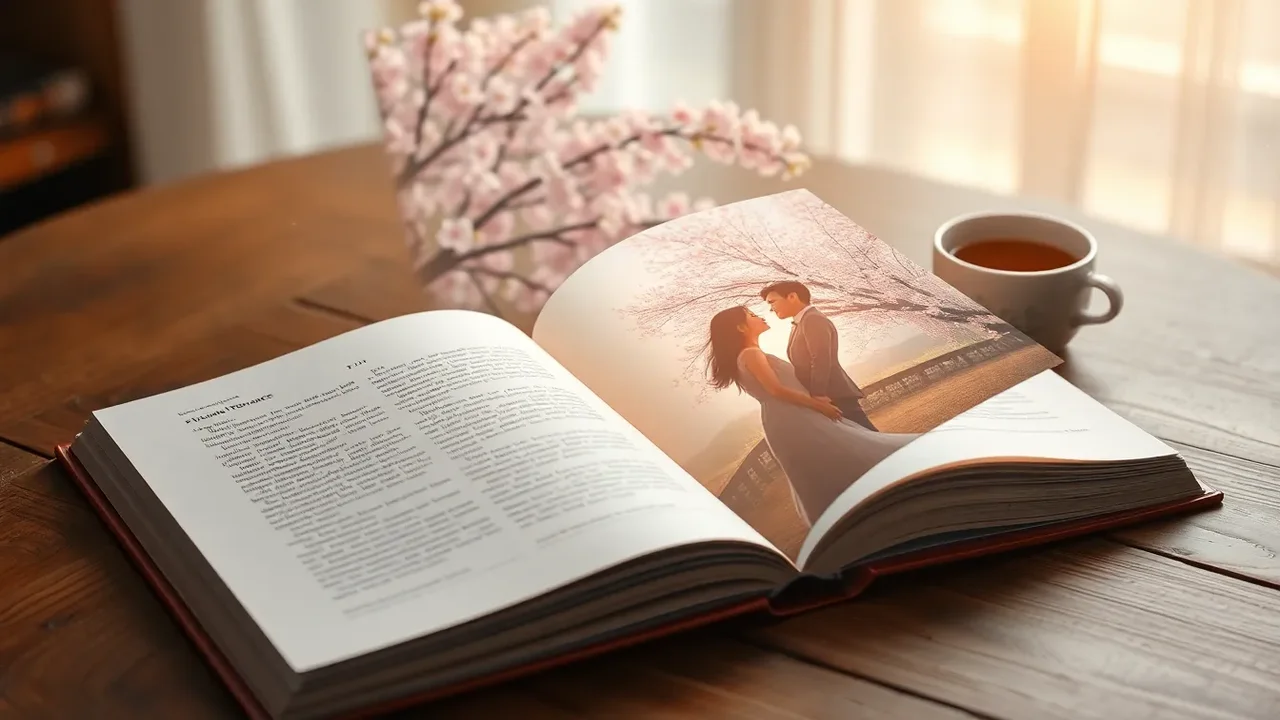
Over the past decade, the Korean drama industry has increasingly turned to published romance novels and webtoons as source material, creating a vibrant cross-media phenomenon. This trend, often referred to as 'page-to-screen,' has produced some of the most beloved K-dramas, including hits like True Beauty (based on a webtoon) and The Moon Embracing the Sun (based on a historical novel). The synergy between the written word and visual storytelling has captivated audiences worldwide, leading to a surge in demand for adaptations that retain the emotional depth of the original while adding cinematic flair.
Why Romance Novels Translate Well to K-Dramas
Romance novels offer a rich foundation for K-dramas because they focus on character development, emotional arcs, and slow-burn chemistry—elements that are central to the K-drama formula. The serialized nature of novels allows for intricate plot layers that can be expanded into 16-episode series. Moreover, the detailed internal monologues in novels provide screenwriters with a deep well of character motivation and dialogue cues. The following are key reasons why romance novels are ideal for adaptation:
- Strong Emotional Core: Novels delve into the internal struggles of characters, which translates into powerful on-screen moments.
- Built-in Fan Base: Existing readers are eager to see their favorite stories come to life, ensuring initial viewership.
- Rich World-Building: Detailed settings from novels give directors a blueprint for visual aesthetics.
- Serialized Structure: Chapters naturally map to episodes, simplifying the adaptation process.
Notable Page-to-Screen Success Stories
Several K-dramas have achieved critical and commercial success by adapting romance novels and webtoons. Below is a table comparing some of the most iconic adaptations, highlighting the source material, the drama title, and key differences between the two formats.
| Source Material | K-Drama Title | Key Differences |
|---|---|---|
| The Moon Embracing the Sun (novel) | The Moon Embracing the Sun (2012) | Expanded supporting characters; added political subplots to fill episode count. |
| True Beauty (webtoon) | True Beauty (2020) | Softened the bullying elements; enhanced romantic triangle with more screen time. |
| What's Wrong with Secretary Kim (webtoon) | What's Wrong with Secretary Kim (2018) | Added more comedic side plots; changed the childhood backstory slightly. |
| The King's Avatar (Chinese web novel) | The King's Avatar (2014 C-drama, not K-drama but similar) | Not applicable; but for K-drama context, consider Scarlet Heart Ryeo (based on Chinese novel) – added time travel and historical fiction. |
These examples show that while the core romance remains intact, screenwriters often modify pacing, add subplots, or adjust character arcs to suit the visual medium. The goal is to preserve the essence of the original while making it accessible to a broader audience.
Adaptation Process: From Written Word to Screenplay
Adapting a romance novel into a K-drama involves a meticulous multi-step process. Understanding this journey helps fans appreciate the creative decisions behind their favorite shows. The process typically includes:
- Optioning the Rights: Production companies negotiate with publishers or authors to secure the adaptation rights.
- Script Development: Screenwriters break down the novel into episodes, deciding which scenes to keep, cut, or expand.
- Casting: Actors are chosen based on their ability to embody the characters from the book, often with input from the original author.
- Pre-Production: Location scouting, costume design, and set construction bring the novel's world to life.
- Filming and Post-Production: Directors translate the written dialogue and internal monologues into visual performances, often adding voiceovers or flashbacks to preserve narrative depth.
One of the biggest challenges is condensing a 300-page novel into a 16-episode drama without losing the romantic tension. Successful adaptations often use montages, extended date scenes, and cliffhangers to maintain the page-turner effect. For example, in True Beauty, the webtoon's episodic art style was translated into vibrant cinematography, while the internal monologues of the protagonist were expressed through voice-overs and expressive acting.
Fan Reactions and Expectations
Fans of the original novels are often the most vocal critics of adaptations. They expect faithfulness to the source material, but also understand that changes are necessary for pacing and visual storytelling. Social media platforms like Twitter and Reddit host intense discussions about casting choices, omitted scenes, and altered endings. A common point of contention is the 'love triangle'—novels often have a clear second lead, but dramas may give that character more screen time to generate drama. For instance, in What's Wrong with Secretary Kim, the webtoon's second male lead was toned down, while the drama added a secret childhood connection to strengthen the main couple's bond. Such changes can divide fans, but they often lead to greater mainstream appeal. Production companies are increasingly involving original authors as consultants to ensure authenticity, which helps mitigate backlash.
Impact on Publishing and Global Audience
The success of K-drama novel adaptations has had a reciprocal effect on the publishing industry. Book sales of adapted novels and webtoons skyrocket after a drama airs, often leading to new translations and international editions. For example, the webtoon True Beauty saw a massive spike in English readership after the drama premiered on Netflix. This phenomenon has created a virtuous cycle: dramas drive readers to the source material, and readers become new fans of K-dramas. Global streaming platforms like Netflix, Viki, and iQIYI have capitalized on this by producing original adaptations of popular romance novels, further blurring the line between page and screen. The cultural exchange also introduces Korean romance tropes—such as the 'contract marriage,' 'amnesia,' and 'chaebol heir'—to international audiences, enriching the global romance genre.
Practical Tips for Aspiring Writers
If you are a writer dreaming of seeing your romance novel adapted into a K-drama, there are several strategies to increase your chances. First, craft a story with strong visual elements—vivid settings, distinctive fashion, and memorable actions. Second, develop a 'hook' that can be captured in a 30-second trailer. Third, build a social media following for your work, as producers often look for stories with an existing fan base. Finally, understand the K-drama format: episodes typically end on a cliffhanger, and the romance should evolve slowly over multiple episodes. Many successful adaptations started as webtoons because of their serialized nature and built-in audience. The following list summarizes actionable steps:
- Write with dialogue in mind: K-dramas rely heavily on witty banter and emotional exchanges.
- Include a strong supporting cast: Side characters often get their own subplots in dramas.
- Consider the 'K-drama twist': Many adaptations add a secret identity or a hidden past to increase suspense.
- Collaborate with a screenwriter: If you are not one, seek a partner who understands the medium.
In summary, the journey from page to screen is a collaborative art form that honors the original while reimagining it for a new audience. The romance genre, with its universal themes of love and longing, is particularly well-suited for this transformation, continuing to produce hits that resonate globally.
FAQ - From Page to Screen: K-Drama Novel Romance Hits
What are some of the most popular K-drama adaptations of romance novels?
Popular adaptations include 'The Moon Embracing the Sun' (based on a novel by Jung Eun-gwol), 'True Beauty' (based on a webtoon), 'What's Wrong with Secretary Kim' (based on a webtoon), and 'Scarlet Heart Ryeo' (based on a Chinese novel). These dramas have gained massive followings both in Korea and internationally.
How faithful are K-drama adaptations to the original novels?
Faithfulness varies. Some adaptations closely follow the plot and character arcs, while others take creative liberties to expand side stories, adjust pacing, or add dramatic twists. The core romance is usually preserved, but minor changes are common to suit the visual medium.
Do authors of the original novels have any involvement in the adaptation process?
Often, yes. Many production companies consult the original authors or webtoon artists to ensure the adaptation respects the source material. Some authors even serve as advisors or co-writers, especially for high-profile projects.
Why are romance novels particularly well-suited for K-drama adaptation?
Romance novels focus on emotional depth, slow-burn relationships, and character development—all key elements of K-dramas. The serialized structure of novels also maps well to the 16-episode format, and existing fan bases provide a built-in audience.
How do K-drama adaptations affect book sales of the original novels?
They significantly boost sales. After a drama airs, translations and reprints often see a surge, with some novels becoming bestsellers in new markets. This phenomenon is known as the 'drama effect' and has led to increased international licensing of Korean romance novels.
What are common differences between the novel and the K-drama adaptation?
Common differences include expanded roles for secondary characters, added comedic or dramatic subplots, altered endings (often to create a more satisfying resolution), and changes to the pacing of the romance. Internal monologues in novels are often converted into voice-overs or visual cues.
From Page to Screen: K-Drama Novel Romance Hits explores the trend of adapting romance novels and webtoons into popular Korean dramas. It covers the adaptation process, notable examples, fan reactions, and the impact on publishing. The phenomenon highlights how emotional depth and serialized storytelling translate seamlessly into binge-worthy K-dramas.
The journey from page to screen is a testament to the enduring power of romance storytelling. K-drama adaptations of romance novels and webtoons have not only brought beloved characters to life but also created a global community of fans who celebrate both the original and the adaptation. As the industry continues to evolve, we can expect even more innovative translations of written love stories into visual masterpieces, bridging cultures and touching hearts across the world.