The Emotional Rollercoaster of Adaptation Announcements
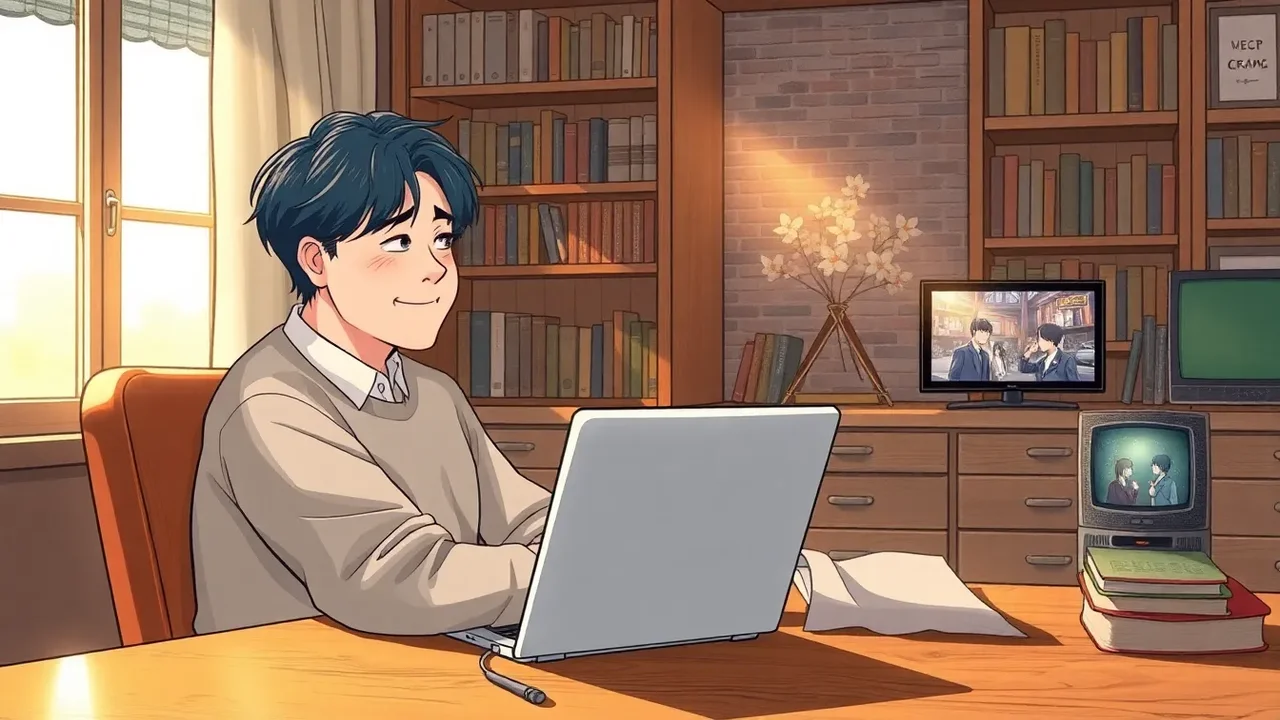
When authors first learn that their work will be adapted into a K-drama, the initial reaction is often a mix of exhilaration and anxiety. The prospect of seeing their characters and story come to life on screen is thrilling, but it also brings fears about how faithfully the adaptation will represent their vision. Many authors describe this period as a whirlwind of emotions, from pride to vulnerability.
Initial Excitement and Validation
For many authors, especially those of webtoons and novels, the adaptation announcement is a major milestone. It validates their years of hard work and creative effort. Authors like Kim Seon-hee, creator of "The Uncanny Counter," expressed overwhelming joy when the drama was greenlit. The adaptation often brings a surge in book or webtoon sales, introducing their work to a broader audience. This financial and reputational boost is a significant positive outcome.
Anxiety Over Creative Control
However, alongside excitement comes anxiety. Authors worry about the dilution of their story's essence. K-drama adaptations frequently involve changes to plotlines, character arcs, and even endings to fit television formats. The fear of losing the core message or having characters misrepresented is common. For instance, the author of "The World of the Married" (adapted from a British series) had mixed feelings about the localized changes, though the drama became a massive hit.
Levels of Author Involvement
The degree to which authors are involved in the adaptation process varies widely. Some are consulted extensively, while others are kept at arm's length. Understanding these dynamics is crucial to appreciating the range of reactions.
| Involvement Level | Description | Example |
| Full Creative Consultant | Author works closely with the production team, providing feedback on scripts, casting, and direction. | Author of "Itaewon Class" was heavily involved, ensuring the drama stayed true to the webtoon's themes. |
| Partial Consultant | Author is consulted on major changes but not involved in day-to-day decisions. | Author of "True Beauty" gave input on character development but trusted the drama team's vision. |
| Minimal Involvement | Author sells adaptation rights and has little to no say in the production. | Some webtoon authors sign contracts that grant full creative control to the production company. |
Authors with full involvement often report higher satisfaction, as they can protect the integrity of their work. However, even partial involvement can lead to positive outcomes if the production team respects the source material.
Case Study: "Itaewon Class"
The webtoon "Itaewon Class" by Gwang Jin was adapted into a highly successful K-drama in 2020. The author was actively involved in the adaptation process, attending script readings and offering suggestions. The drama remained largely faithful to the webtoon, with minor changes to pacing and character depth. Gwang Jin later stated that the adaptation exceeded his expectations, and the drama's success boosted the webtoon's readership exponentially. This is an example of a positive author reaction.
Case Study: "The King's Affection"
In contrast, the webtoon "The King's Affection" (originally "Yeonmo") by Han Hee-jung and illustrator Kim Seul-gi saw a more mixed reaction. The drama made significant changes to the plot, including altering the ending and adding new characters. While the drama was popular, some fans of the original webtoon expressed disappointment, and the author's public comments were diplomatic but hinted at dissatisfaction. This illustrates how creative differences can affect author reactions.
Financial and Career Implications
Adaptation can be a financial windfall for authors. They typically receive a licensing fee upfront, plus royalties based on the drama's success. Additionally, the increased popularity often leads to higher sales of the original work, speaking engagements, and even new publishing deals. However, the financial terms vary widely. Some authors have reported feeling undervalued, especially if the drama becomes a massive hit while their compensation remains fixed.
Royalty Structures
Royalties are often negotiated as a percentage of the drama's profits, but many authors receive a flat fee. For webtoon authors, the adaptation fee can range from a few thousand dollars to millions for blockbuster properties. The author of "The Uncanny Counter" reportedly earned a substantial sum, but the exact figures are rarely disclosed. Authors also benefit from ancillary merchandise and international licensing.
Dealing with Plot and Character Changes
One of the most significant sources of author anxiety is the alteration of their story. K-drama adaptations often need to expand or condense plotlines to fit 16-20 episodes. This can lead to the addition of new characters, subplots, or even changes to the ending. Authors react differently based on their attachment to the original story.
Acceptance of Necessary Changes
Experienced authors recognize that television is a different medium with its own constraints. They understand that what works in a novel or webtoon may not translate directly to screen. For example, internal monologues need to be externalized, and pacing must be adjusted for episodic viewing. Authors who are pragmatic often accept these changes as part of the adaptation process, especially if the core themes are preserved.
Frustration with Unnecessary Alterations
On the other hand, some authors feel that changes are made arbitrarily or to appeal to a broader audience, diluting the unique qualities of their work. A notable example is the adaptation of "The Penthouse" (original not from a webtoon but a drama original), but for webtoon adaptations, the author of "The Goddess of Fire" expressed disappointment when the drama changed the protagonist's personality to fit a more conventional heroine archetype. Such reactions can lead to public statements or even legal disputes, though most authors remain professional.
Fan Reactions and Their Impact on Authors
Authors are acutely aware of fan expectations. The passionate fanbases of webtoons and novels often have strong opinions about adaptations. Authors may feel pressure to defend the drama or to distance themselves from unpopular changes. Social media amplifies these dynamics, with authors sometimes receiving direct feedback from fans.
Positive Fan Feedback
When the adaptation is well-received, authors bask in the glow of fan approval. They often engage with fans online, sharing behind-the-scenes stories and celebrating the drama's success. This positive reinforcement can strengthen the author's bond with their audience and encourage future adaptations.
Negative Fan Feedback
Conversely, if the adaptation is criticized, authors may feel caught between defending their work and acknowledging the drama's flaws. Some authors choose to stay silent, while others offer explanations for the changes. The author of "Love Alarm" faced backlash from fans who felt the drama deviated too much from the webtoon, leading to a public apology of sorts. This highlights the delicate balance authors must maintain.
Long-Term Impact on Authors' Careers
An adaptation can be a career-defining event. For many authors, it opens doors to further opportunities in the entertainment industry. Some authors transition into screenwriting or producing, leveraging their experience. Others find that the adaptation boosts their profile, leading to more publishing deals and international recognition.
Positive Outcomes
Authors like Ma Young-shin (webtoon "The Legendary Moonlight Sculptor") saw their work adapted into a drama, which led to a surge in webtoon readership and a sequel series. The adaptation also attracted investment for an animated version. Such success stories are common, but they require a harmonious collaboration between author and production team.
Negative Outcomes
Rarely, a poorly received adaptation can tarnish an author's reputation. If the drama is a flop, some blame may be unfairly directed at the original work. However, most authors recover and continue to create. The key is to maintain a positive relationship with fans and the industry.
Practical Advice for Authors Facing Adaptation
Based on the experiences of many authors, here are some practical steps to navigate the adaptation process:
- Negotiate involvement early: Include clauses in the contract that guarantee consultation rights.
- Build a relationship with the production team: Open communication can prevent misunderstandings.
- Accept medium differences: Understand that changes are inevitable and focus on preserving the story's soul.
- Engage with fans transparently: Address concerns honestly without undermining the drama.
- Seek legal advice: Ensure fair compensation and intellectual property protection.
These steps can help authors maintain a positive experience, regardless of the adaptation's final outcome.
The Spectrum of Author Reactions
To summarize the range of reactions, here is a list of common emotional responses:
- Excitement and pride – when the adaptation honors the source material.
- Anxiety and fear – during the unknown process of production.
- Frustration and disappointment – when significant changes are made.
- Gratitude and relief – after a successful premiere.
- Ambivalence – when the adaptation is neither great nor terrible.
Each author's journey is unique, but these emotional touchpoints are common across the industry.
Cultural Sensitivity and Localization
K-drama adaptations often involve localization for a global audience, but authors may have concerns about cultural accuracy. For instance, a webtoon set in a specific Korean region might be adapted with changes to make it more relatable to international viewers. Authors who are deeply rooted in Korean culture may feel that certain nuances are lost. The author of "The Sound of Magic" (webtoon "Annarasumanara") praised the drama's visual style but noted that some magical realism elements were toned down. This balance between artistic integrity and marketability is a recurring theme.
Author Input in Casting
Casting decisions can significantly impact author reactions. Many authors have strong mental images of their characters, and seeing a different actor can be jarring. However, some authors are pleasantly surprised when actors bring new dimensions to the roles. For example, the author of "True Beauty" initially had reservations about the casting of Moon Ga-young as the female lead, but later praised her performance. Authors who are consulted on casting tend to be more satisfied.
Social Media and Public Statements
In today's digital age, authors' reactions are often visible on social media platforms like Twitter, Instagram, and Naver. Some authors actively share their thoughts during the drama's run, while others remain silent to avoid controversy. The author of "The Uncanny Counter" posted supportive messages throughout the first season, praising the cast and crew. In contrast, the author of "Love Alarm" faced a backlash after making a comment perceived as critical of the drama's changes. This highlights the double-edged sword of public engagement.
Managing Public Perception
Authors often work with public relations teams to craft their statements. A positive public reaction can boost the drama's popularity, while a negative comment can hurt viewership. Therefore, many authors choose to express gratitude and focus on the positive aspects, even if they have private reservations. This strategic approach is common among seasoned authors.
Comparative Analysis: Webtoon vs. Novel Adaptations
Authors of webtoons may react differently than authors of novels. Webtoons are already visual, so adaptations may be more straightforward. Novel authors, on the other hand, often have to contend with the loss of internal narrative voice. For example, the author of "The Little House" (a novel adapted into a K-drama) expressed difficulty in seeing her characters' inner thoughts omitted. Webtoon authors like the creator of "The God of High School" were more comfortable with the adaptation because the visual style was already established.
This difference in medium affects the author's emotional journey. Webtoon authors may feel more protective of the art style, while novel authors focus on plot fidelity. Understanding these nuances helps explain the diverse reactions.
International Adaptations and Cross-Cultural Reactions
Some authors have experienced their works being adapted not only in Korea but also in other countries. For instance, the webtoon "The Sound of Your Heart" was adapted into a Korean drama and later a Chinese version. The author, Jo Seok, had different reactions to each, appreciating the local flavors but also noting challenges in maintaining the original humor. Such cross-cultural experiences broaden authors' perspectives and can influence their future works.
FAQ - How Authors React to K-Drama Adaptations
Do authors have creative control over K-drama adaptations?
It varies. Some authors are fully involved as creative consultants, while others have minimal input. Contracts often define the level of control, ranging from full consultation rights to no say in production decisions.
How do authors feel about changes to their story in the adaptation?
Reactions are mixed. Some authors accept necessary changes for the television medium, while others feel frustrated if alterations seem arbitrary or dilute the original work's essence. Many express a mix of anxiety and acceptance.
What financial benefits do authors receive from K-drama adaptations?
Authors typically receive an upfront licensing fee and may earn royalties based on the drama's success. Additional income comes from increased sales of the original work, merchandise, and international licensing.
Do authors usually watch the K-drama adaptations of their work?
Most authors watch the adaptations, though some find it emotionally challenging. Many engage with fans during the broadcast, while others prefer to distance themselves to avoid stress.
How do fans influence author reactions to adaptations?
Fan feedback can greatly impact authors. Positive reactions boost their morale, while negative criticism can cause stress. Authors often manage public statements carefully to balance fan expectations and professional relationships.
Authors react to K-drama adaptations with a range of emotions from excitement to anxiety, influenced by creative control, financial terms, and fan feedback. Some embrace changes for the medium, while others struggle with alterations. The experience often boosts sales and career opportunities but requires careful management of public perception.
In conclusion, authors' reactions to K-drama adaptations are deeply personal and multifaceted, shaped by their level of involvement, financial stakes, creative attachment, and fan interactions. While some embrace the adaptation as a validation of their work, others grapple with the inevitable changes that come with translating a story to screen. Ultimately, the experience can be a transformative milestone in an author's career, offering both opportunities and challenges that require careful navigation.