The Foundation of K-Drama Adaptations
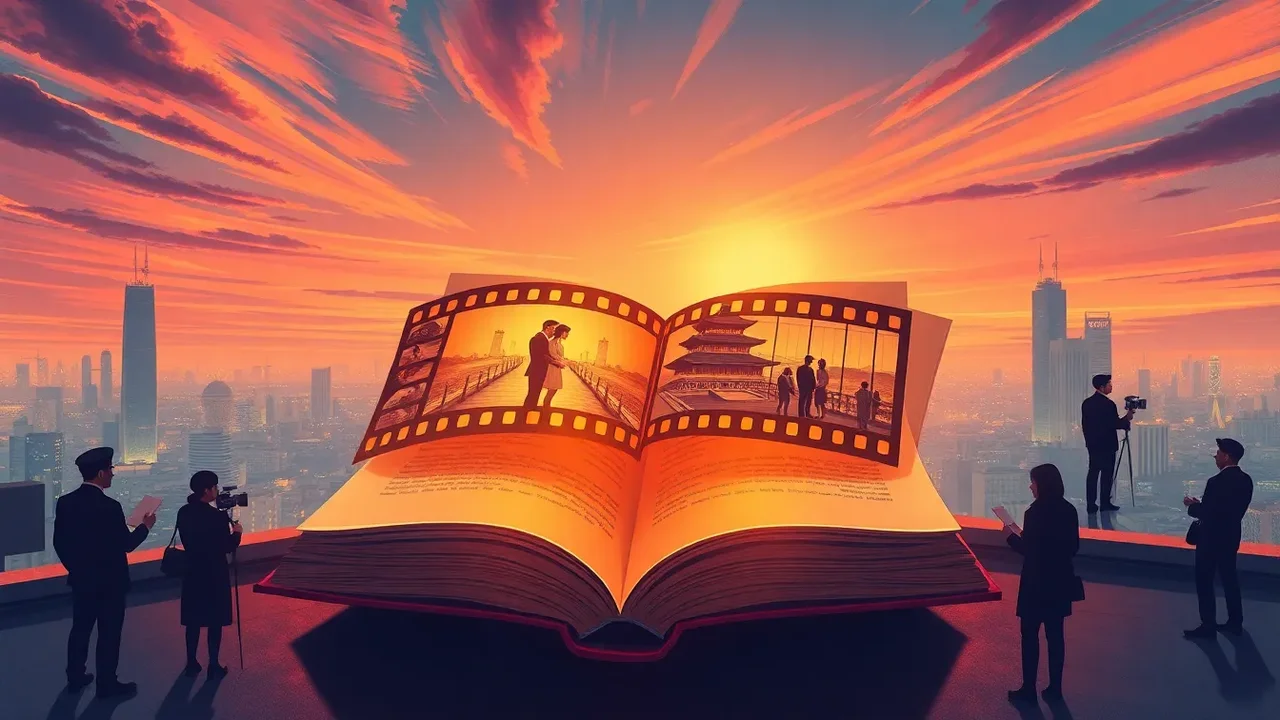
Novel adaptations have become a cornerstone of the Korean drama industry, providing a rich source of pre-existing narratives, character depth, and devoted fan bases. Unlike original screenplays, adapted novels come with built-in audience expectations and a tested story arc. This dynamic shapes how K-drama storytellers approach pacing, character development, and thematic exploration. The process involves translating written prose into visual and auditory experiences, often requiring structural changes to fit episodic formats. For example, web novels like "Moon Lovers: Scarlet Heart Ryeo" (based on a Chinese novel) demonstrate how cultural and temporal shifts can be integrated while preserving core emotional beats. The adaptation process also allows for enhanced world-building through cinematography, costume design, and soundtracks, which novels cannot provide. Ultimately, novel adaptations offer a blueprint that K-drama creators refine, expand, or reinterpret to suit contemporary audiences.
Structural Transformations: From Page to Screen
One of the most significant ways novel adaptations shape K-drama storytelling is through structural adjustments. Novels often have non-linear timelines, extensive internal monologues, or multiple narrators, which must be converted into linear, dialogue-driven scenes. K-dramas typically operate on a 16-episode structure (or sometimes 12–20 episodes), requiring careful pacing. Showrunners may condense or expand subplots, merge characters, or create new scenes to maintain tension across episodes. For instance, "The King's Affection" (based on the webtoon Yeonmo) streamlined a complex family saga into a focused romance with political intrigue. The adaptation also added flashbacks and dream sequences to convey internal conflict that the novel expressed through narration. This structural flexibility is a hallmark of K-drama adaptation, allowing creators to honor the source material while crafting a compelling television experience.
Character Development in Adapted Dramas
Novel character arcs often span hundreds of pages, giving readers deep insight into motivations and growth. K-drama adaptations must distill these arcs into visually compelling moments. Writers frequently use montages, symbolic imagery, and supporting characters to externalize internal changes. For example, "Itaewon Class" (based on a webtoon) expanded the protagonist's relationship with his father, adding emotional depth that the original comic only hinted at. Adaptations also allow for reinterpretation: a character who is merely a side note in the novel can become a fan-favorite in the drama through expanded screen time and nuanced performance. This is evident in "Crash Landing on You", which was inspired by a real-life account but fictionalized in a novel-like format; the drama’s supporting characters, like the village women, were given distinct personalities not present in the source. Such developments enrich the narrative and demonstrate how adaptation can improve upon the original.
The Role of Fan Expectations
Novel adaptations come with a pre-existing fan base that has strong attachments to the story and characters. This shapes K-drama storytelling by imposing constraints and opportunities. Fans expect faithful adaptations of key scenes and relationships, but they also tolerate creative liberties if they enhance the narrative. For example, "Goblin" (partially inspired by a folktale and novel elements) created a unique blend of fantasy and romance that satisfied fans of the original mythos while adding new layers. In contrast, "The Legend of the Blue Sea" (based on a Korean folktale) faced criticism for deviating from the source’s tone. Managing fan expectations requires careful marketing, early episode releases, and sometimes direct communication with viewers. The rise of webtoon-to-drama adaptations, such as "True Beauty" and "Extraordinary You", has amplified this dynamic, as these platforms allow for real-time feedback during production.
Cultural and Historical Contextualization
Many K-drama adaptations are based on novels from other cultures (e.g., Chinese, Japanese, or Western works). This necessitates cultural localization, which shapes storytelling by altering settings, customs, and social norms. For instance, "The World of the Married" (adapted from the British series Doctor Foster) was reimagined with Korean societal pressures regarding marriage and reputation. Similarly, "My Love from the Star" drew from an ancient Korean legend but infused it with modern sci-fi elements. Historical adaptations like "Mr. Sunshine" (based on a novel about the late Joseon dynasty) use extensive research to anchor the story in authentic period details, from costumes to language. These contextual shifts not only make the story relatable to Korean audiences but also introduce global viewers to Korea’s cultural heritage. The adaptation process thus becomes a dialogue between original and local narratives, enriching the K-drama landscape.
Practical Adaptation Techniques
Adapting a novel into a K-drama involves several practical steps that shape the final product. First, the rights acquisition and script development phase often takes a year or more. Writers create a "bible" that outlines episode arcs, key scenes, and character trajectories. Directors then work with production designers to visualize settings described in the novel. For example, the drama "Hotel del Luna" (based on a webtoon) created a lavish hotel set that captured the original’s eerie yet glamorous atmosphere. The casting process is also influenced by the novel’s descriptions; actors are chosen not only for their acting ability but also for their resemblance to illustrated characters. Additionally, soundtracks and original scores are composed to evoke the novel’s mood. The table below summarizes common adaptation techniques and their impact on storytelling.
| Technique | Description | Impact on Storytelling |
|---|---|---|
| Condensing Plot | Merging multiple chapters into one episode or removing secondary storylines. | Increases pacing but may lose nuance; requires careful selection of essential scenes. |
| Expanding Character Arcs | Adding backstory or side characters to flesh out motivations. | Deepens emotional engagement; can create fan-favorite characters not in the original. |
| Visual Symbolism | Using objects, colors, or recurring imagery to represent novel themes. | Enhances visual storytelling; allows for non-dialogue narrative layers. |
| Dialogue Adaptation | Converting internal monologue into conversations or voiceovers. | Makes introspective content accessible; risk of over-explanation. |
| Cultural Localization | Changing settings, holidays, or social norms to fit Korean context. | Increases relatability; can introduce new cultural elements. |
Examples of Successful Adaptations
Several K-dramas exemplify how novel adaptations shape storytelling. Below is a list of notable examples with brief explanations.
- "Goblin" (2016) – Based on a Korean folktale and novel-like treatment, it integrated mythological elements with modern romance, using parallel timelines and flashbacks.
- "Itaewon Class" (2020) – Adapted from a webtoon (digital novel), it expanded the protagonist’s revenge arc with detailed character interactions and social commentary.
- "The King's Affection" (2021) – Based on a webtoon, it condensed a long historical drama into a tight 20-episode format, focusing on gender identity and royal intrigue.
- "Crash Landing on You" (2019) – Inspired by a real event later fictionalized, it used novel-like romantic tropes while adding ensemble character depth.
- "Extraordinary You" (2019) – Adapted from a webtoon about a character in a comic, it played with meta-narrative structures, breaking the fourth wall.
Thematic Depth and Genre Blending
Novel adaptations often introduce complex themes that K-dramas might not explore in original scripts. For instance, social class, mental health, and historical trauma are common in adapted works. "Sky Castle" (original script but inspired by novelistic themes of academic pressure) shows how adaptation techniques can elevate a story, but truly novel-based dramas like "The Light in Your Eyes" (adapted from a novel) tackle aging and regret with lyrical storytelling. Genre blending is another hallmark: "W: Two Worlds" (webtoon adaptation) merges romance, thriller, and fantasy, while "The Uncanny Counter" (webtoon) combines supernatural action with family drama. This flexibility allows K-dramas to reach diverse audiences, from romance enthusiasts to thriller fans. The adaptation process also encourages experimentation with nonlinear narratives, as seen in "The Interest of Love" (based on a novel), which uses single-location settings to intensify character conflicts.
Economic and Cultural Impact
Novel adaptations are economically advantageous for production companies. Pre-existing IP reduces development risk and attracts investors. Books and webtoons with strong fan bases guarantee initial viewership, as seen with "All of Us Are Dead" (webtoon adaptation) which became a global hit. This economic model shapes K-drama storytelling by prioritizing high-concept premises that can be marketed easily. Furthermore, adaptations often lead to cross-media synergy: novels are re-released with drama covers, soundtracks are sold, and merchandise is produced. This ecosystem encourages writers to create adaptations that are visually striking and emotionally resonant, ensuring longevity. On a cultural level, novel adaptations introduce Korean literature to international audiences, such as "Pachinko" (though a novel adaptation for a series, not strictly K-drama but influential). The trend also boosts the webtoon industry, which now serves as a primary source for K-drama IPs, with platforms like Naver Webtoon and KakaoPage actively collaborating with broadcasters.
Challenges and Criticisms
Despite their strengths, novel adaptations face challenges. Over-reliance on source material can lead to formulaic pacing, and deviations may anger fans. For example, "The Penthouse" (original script) achieved massive success, proving that non-adaptations can also excel. Some critics argue that adaptations stifle originality, as production companies prefer safe bets. Additionally, the compression of a novel’s subplots can result in rushed endings, as seen in "The Bride of Habaek" (webtoon adaptation). Balancing fidelity with creative freedom is a constant struggle. However, successful adaptations like "My Mister" (inspired by a novel yet largely original) show that the line between adaptation and original can be blurred, enriching the storytelling landscape.
Future Trends in Novel Adaptations
The K-drama industry is increasingly turning to web novels and webtoons as primary sources. Platforms like Munpia and Ridibooks are now scouting for IPs. This trend shapes storytelling by encouraging serialized, cliffhanger-heavy narratives that are ideal for weekly episodes. Moreover, adaptations are expanding into global IPs, such as "The Sound of Magic" (based on a webtoon) and upcoming adaptations of Chinese novels. The use of AI and virtual production may further enhance visual translations of descriptive prose. As K-dramas gain international acclaim, novel adaptations will continue to serve as a bridge between literary traditions and visual media, ensuring that stories remain culturally resonant yet universally accessible.
FAQ - How Novel Adaptations Shape K-Drama Storytelling
Why are novel adaptations so popular in K-dramas?
Novel adaptations offer pre-existing storylines with built-in fan bases, reducing production risk and providing rich narrative material. They also allow for creative reinterpretation, often leading to unique visual storytelling that resonates with both domestic and international audiences.
How do K-drama adaptations change the original novel's plot?
Adaptations often condense or expand subplots to fit the episodic format, add new characters or scenes, and adjust pacing. They may also localize cultural elements to make the story more relatable to Korean viewers, while preserving the core emotional arc.
What are the main challenges in adapting a novel to a K-drama?
Key challenges include managing fan expectations, compressing lengthy narratives into 16–20 episodes, and translating internal monologues into visual scenes. Balancing fidelity to the source with creative freedom is also a constant struggle.
Can you give an example of a successful novel-to-K-drama adaptation?
One notable example is 'Itaewon Class,' adapted from a webtoon. The drama expanded the protagonist's revenge story with additional character depth and social commentary, becoming a global hit and earning praise for its faithful yet innovative approach.
How do webtoon adaptations differ from traditional novel adaptations?
Webtoon adaptations are often more visual due to the comic format, making it easier to translate art style and pacing. They also tend to have a younger, more engaged fan base that provides real-time feedback, influencing production decisions.
What future trends are expected in K-drama novel adaptations?
The industry is moving toward more global IPs, including Chinese and English novels, and using AI for production. Serialized web novels are becoming primary sources, and there is a growing trend of cross-media synergy with merchandise and soundtracks.
Novel adaptations shape K-drama storytelling by providing pre-existing narratives, character depth, and fan bases. They require structural changes to fit episodic formats, cultural localization, and creative reinterpretation. Successful examples like 'Itaewon Class' and 'Goblin' show how adaptations enhance visual storytelling while preserving core themes, driving global popularity.
Novel adaptations have fundamentally shaped K-drama storytelling by providing a reservoir of rich narratives, compelling characters, and cultural depth. They demand structural creativity, cultural localization, and a careful balance between fidelity and innovation. From webtoons to classic novels, these adaptations have expanded the genre range of K-dramas, attracted global audiences, and fostered a symbiotic relationship between literature and television. As the industry evolves, novel adaptations will remain a vital force, ensuring that K-dramas continue to tell stories that are both timeless and thrillingly new.