Character Development and Backstories
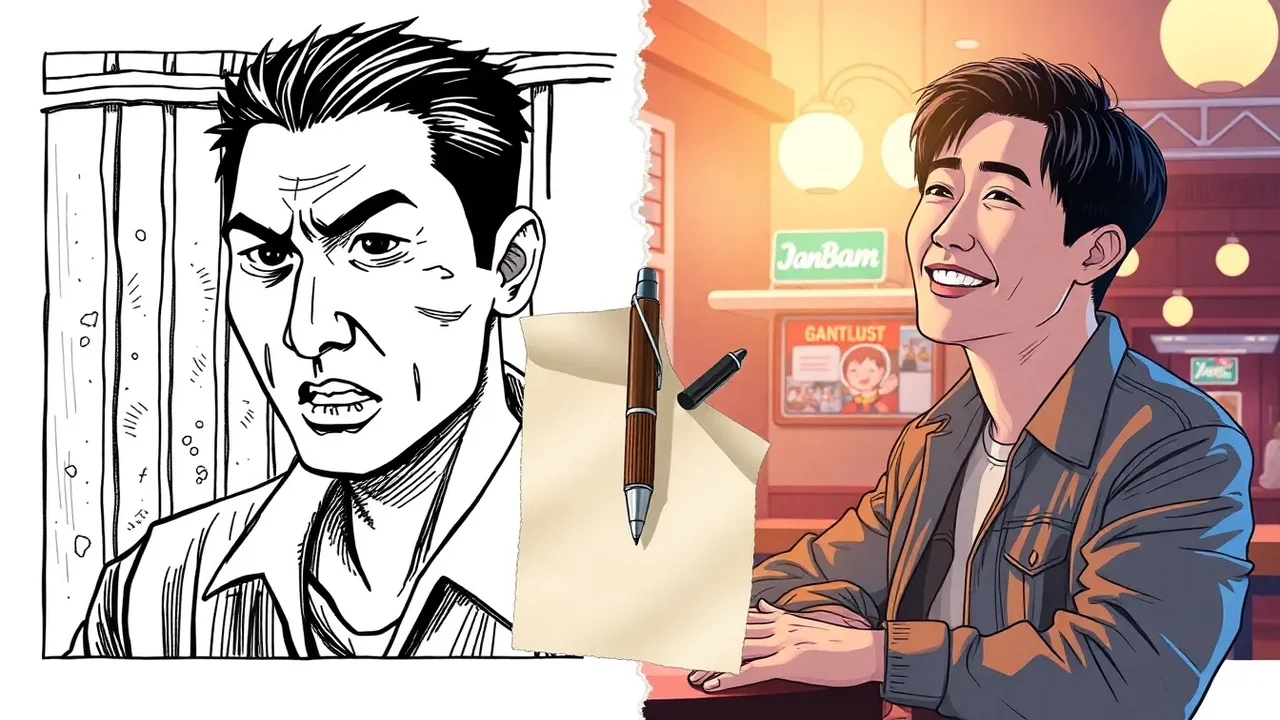
The webtoon Itaewon Class provides a more extensive exploration of its characters' pasts. For instance, Park Saeroyi's time in prison is depicted with greater detail, showing his daily struggles and the formation of key alliances. In the drama, this is condensed, focusing more on the emotional impact rather than the procedural aspects. Similarly, Jo Yi-seo's backstory, including her complex relationship with her mother and her sociopathic tendencies, is more nuanced in the webtoon. The drama softens her character, making her more conventionally likable and less morally ambiguous, which alters the dynamic of her relationship with Saeroyi.
Oh Soo-ah's Portrayal
Oh Soo-ah is a prime example of adaptation differences. In the webtoon, she is more explicitly portrayed as a pragmatic survivalist, often making morally grey choices that directly conflict with her feelings for Saeroyi. Her internal monologues reveal a constant battle between ambition and loyalty. The drama, however, presents her as more sympathetic, with her actions often justified by her difficult upbringing. The romantic triangle between Saeroyi, Soo-ah, and Yi-seo is also less pronounced in the drama, with the webtoon dedicating more pages to Saeroyi's lingering feelings for Soo-ah.
Plot Structure and Pacing
The webtoon follows a serialized format that allows for meandering subplots and extended character arcs. The drama, constrained by a 16-episode format, streamlines the narrative. For example, the business rivalry with Jangga Group is more drawn out in the webtoon, with multiple failed ventures and strategic setbacks. The drama compresses this into a more direct confrontation. The time skip in the webtoon is also more abrupt, while the drama uses flashbacks to bridge the gap more smoothly.
| Aspect | Webtoon | Drama |
|---|---|---|
| Pacing | Slower, episodic, with side stories | Faster, focused on main conflict |
| Time Skip | Abrupt, 7-year jump | Gradual, with flashbacks |
| Business Subplots | Detailed, multiple failed attempts | Condensed, streamlined |
Supporting Characters and Relationships
The webtoon develops supporting characters like Kim To-ni and Hyun-yi more thoroughly. Kim To-ni's backstory as a former gangster is explored in greater depth, including his reasons for leaving that life. The drama reduces his role to a loyal side character. Hyun-yi, the transgender chef, has a more prominent arc in the webtoon, where her identity is a recurring theme and a source of conflict within the group. The drama handles this with sensitivity but focuses less on her personal journey and more on her role as a chef.
- Webtoon: Hyun-yi's character arc includes a subplot about her relationship with her father, which is entirely absent from the drama.
- Drama: The romance between Yi-seo and Saeroyi is more explicit and satisfying, while the webtoon leaves it more ambiguous and unresolved for longer.
- Webtoon: The character of Ma Hyun-yi has a more prominent role in the DanBam team, with her own storylines about acceptance.
- Drama: The villain, Jang Geun-won, is given more screen time and a slightly more sympathetic backstory, explaining his cruelty.
Key Scenes and Dialogues
Several iconic scenes differ between the two mediums. The webtoon's scene where Saeroyi pours soju over his father's grave is more visceral and detailed, with a longer monologue. The drama's version is more visually symbolic. The confrontation with Jang Dae-hee in the webtoon involves a physical fight that is more brutal, whereas the drama relies on verbal sparring and psychological warfare. The final resolution with Jangga Group is also different: the webtoon has a more corporate takeover strategy, while the drama adds a public confession and media scandal.
Ending Differences
The webtoon's ending is more open-ended, with Saeroyi achieving his revenge but the fate of DanBam and his relationships left slightly ambiguous. The drama provides a more conclusive happy ending, with a clear romantic resolution and a sense of closure for all characters. This reflects the different narrative expectations of serialized webtoons versus episodic dramas.
Themes and Tone
The webtoon emphasizes themes of revenge and perseverance with a darker, more cynical undertone. The drama, while still dark, injects more humor and warmth, particularly through the DanBam team's camaraderie. The webtoon's treatment of social issues like classism and discrimination is more direct and critical, whereas the drama balances this with more uplifting moments. The character of Yi-seo in the webtoon is a more extreme representation of a 'sociopath' archetype, while the drama humanizes her more, making her quirks endearing rather than alarming.
In summary, while both versions tell the same core story, the webtoon offers a richer, more detailed world with morally complex characters, while the drama prioritizes emotional payoff and streamlined storytelling for a broader audience. The differences highlight how adaptation choices can shift the focus and tone of a narrative.
FAQ - Itaewon Class Book vs Drama Differences
Which version has a darker tone, the webtoon or the drama?
The webtoon has a darker and more cynical tone, with a stronger emphasis on revenge and the harsh realities of classism. The drama balances this with more humor and warmth, focusing on camaraderie and emotional payoff.
How does Jo Yi-seo's character differ between the book and the drama?
In the webtoon, Yi-seo is more explicitly portrayed as a sociopath with morally ambiguous traits. The drama softens her character, making her more conventionally likable and her quirks more endearing, which alters her relationship dynamics with Saeroyi.
Are there any major plot points in the webtoon that were cut from the drama?
Yes, the webtoon includes more detailed subplots, such as Kim To-ni's gangster past and Hyun-yi's relationship with her father. The business rivalry with Jangga Group is also more drawn out in the webtoon, with multiple failed ventures that were condensed in the drama.
Is the ending of the webtoon different from the drama?
Yes, the webtoon's ending is more open-ended, with Saeroyi's revenge achieved but his romantic relationships left ambiguous. The drama provides a more conclusive happy ending, with a clear romantic resolution and closure for all characters.
Which version develops Oh Soo-ah's character better?
The webtoon develops Oh Soo-ah more thoroughly, showcasing her internal conflict between ambition and loyalty through detailed monologues. The drama presents her as more sympathetic but reduces her moral complexity.
Are there any scenes in the drama that are not in the webtoon?
Yes, the drama adds new scenes, such as a more extended public confession and media scandal involving Jangga Group, which is not present in the webtoon. The drama also includes more romantic moments between Saeroyi and Yi-seo.
The Itaewon Class webtoon offers a darker, more detailed narrative with morally complex characters, while the drama streamlines the plot for emotional payoff. Key differences include character development, pacing, and endings, with the webtoon focusing on revenge and the drama on camaraderie and romance.
In conclusion, the differences between the Itaewon Class webtoon and drama highlight the unique strengths of each medium. The webtoon offers a more detailed, morally complex narrative with a darker tone, while the drama provides a streamlined, emotionally satisfying experience with broader appeal. Fans of the story can appreciate both versions for their distinct approaches, whether they prefer the gritty realism of the original or the polished storytelling of the adaptation. Ultimately, the core themes of perseverance, friendship, and justice remain intact, making both versions compelling in their own right.