What Is Secondhand Embarrassment in K-Drama Novels?
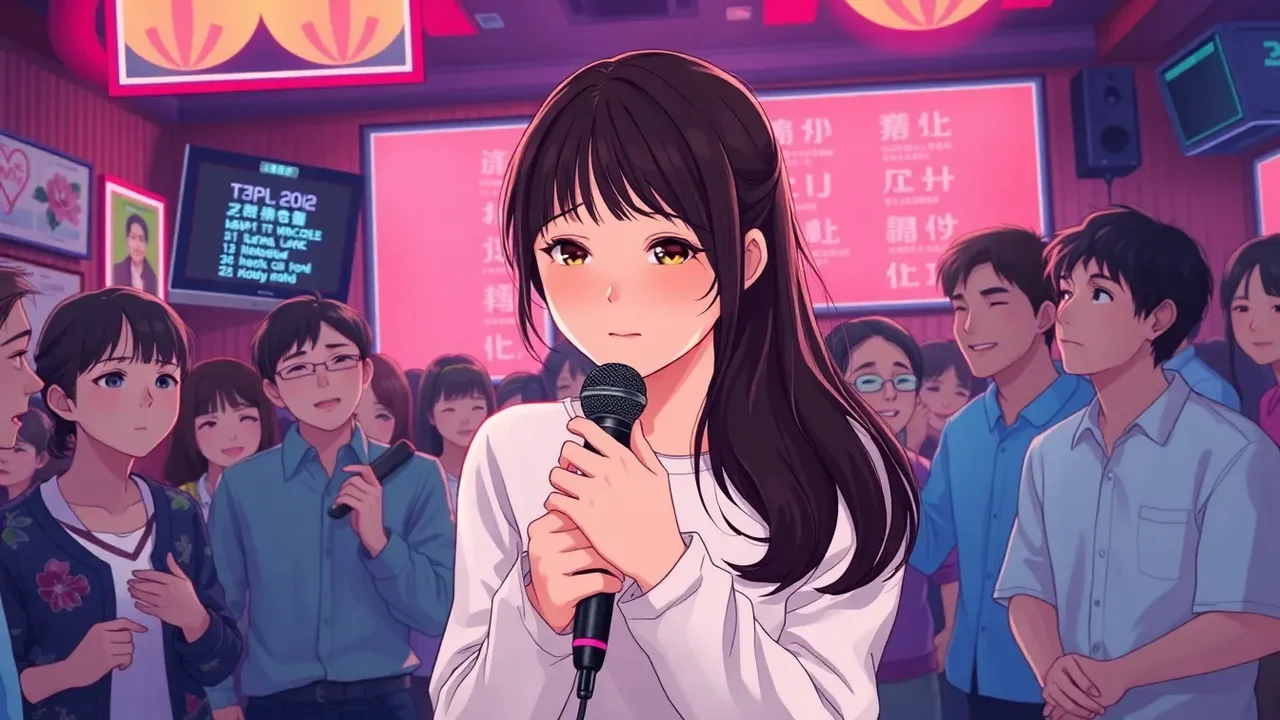
Secondhand embarrassment is the cringe you feel when a character does something mortifying, as if you were there yourself. In K-drama novels, this emotion is amplified by vivid descriptions and culturally specific social norms. Readers often find themselves hiding behind their hands while reading, unable to look away from the train wreck unfolding on the page. These moments are crafted with precision, using awkward dialogues, physical mishaps, and social faux pas that resonate universally. The best K-drama novels make you feel the character's shame deeply, creating a bond that keeps you turning pages despite the discomfort. This genre thrives on the tension between wanting to help the character and knowing you can't. The embarrassment is often rooted in misunderstandings, pride, or sheer bad luck. Authors use pacing to build up to the cringe, then deliver a payoff that is both painful and hilarious. Understanding this mechanism helps readers appreciate the skill behind these scenes. It's a delicate balance between too much and just enough discomfort.
Common Cringe-Inducing Tropes in K-Drama Novels
- Misheard Confessions: A character confesses love but is overheard by the wrong person, leading to public humiliation.
- Accidental Spills: Spilling food or drink on a rival or crush during a critical moment, often in a crowded restaurant.
- Wrong Room Entries: Walking into a bathroom or changing room occupied by someone else, causing screams and awkward apologies.
- Karaoke Disasters: Being forced to sing in front of others and performing terribly, often recorded and shared.
- Family Interference: Embarrassing parents or siblings showing up at the worst possible time, revealing secrets.
- Public Falls: Tripping and falling in a dramatic way, often into the arms of a love interest, but with unintended consequences.
Detailed Examples of Embarrassing Moments
The Karaoke Nightmare
In many K-drama novels, the karaoke scene is a staple of secondhand embarrassment. The protagonist, often shy or tone-deaf, is pressured into singing. The description includes off-key notes, forgotten lyrics, and the silent judgment of the audience. One novel features a character who accidentally chooses a love song while their crush is present, turning the performance into a painful confession. The author uses sensory details: the heat of the spotlight, the sticky microphone, the awkward applause. This scene works because it combines performance anxiety with romantic tension. Readers cringe as the character's voice cracks and the crowd exchanges glances. The aftermath, where the character tries to laugh it off but fails, adds another layer of discomfort. Such scenes are memorable because they tap into universal fears of public failure.
The Food Spill Catastrophe
Another classic is the food spill incident. A protagonist carrying a tray of drinks trips over an unseen obstacle, sending the contents flying onto a wealthy CEO's expensive suit. In one popular novel, the spill happens during a formal dinner, and the CEO's cold stare freezes the room. The author describes the slow-motion fall, the gasps, and the protagonist's desperate attempt to clean up with napkins, only making it worse. The embarrassment is heightened by the social hierarchy: the protagonist is a lowly employee, and the CEO is unforgiving. This moment often becomes a turning point, leading to a forced cohabitation or a contract relationship. The cringe comes from the power imbalance and the protagonist's helplessness. Readers feel the heat of the situation and the urge to disappear.
The Mistaken Identity Fiasco
Mistaken identity scenes are rich with secondhand embarrassment. For example, a character mistakes a stranger for their blind date and launches into a prepared speech, only to realize the error when the real date arrives. In a well-known novel, the protagonist gushes about their love for the wrong person, who turns out to be a famous actor. The embarrassment is layered: the character's friends are watching, the actor is amused, and the real date is offended. The author prolongs the agony by having the protagonist continue talking, digging a deeper hole. This trope works because it plays on social anxiety and the fear of making a fool of oneself in front of many people. The resolution often involves a humorous apology and a new connection, but the cringe lingers.
Why Readers Love to Cringe
Despite the discomfort, readers seek out these embarrassing moments. Psychologically, secondhand embarrassment triggers empathy and a sense of relief that it's not happening to us. It also provides catharsis, allowing us to experience intense emotions in a safe environment. In K-drama novels, the embarrassment is often followed by character growth, making the cringe worthwhile. The shared experience of cringing creates a bond among readers, who discuss their favorite awkward scenes online. Additionally, these moments break tension in romantic plots, making the eventual happy ending more satisfying. Authors use embarrassment to humanize characters, making them relatable and endearing. The best novels balance cringe with charm, ensuring readers keep reading despite—or because of—the awkwardness.
Writing Tips for Crafting Embarrassing Scenes
- Build Suspense: Foreshadow the embarrassing event to heighten anticipation. Let readers see the setup before the payoff.
- Use Vivid Sensory Details: Describe sounds, smells, and physical sensations to immerse the reader in the character's shame.
- Add Witnesses: The more people watching, the greater the embarrassment. Include a crowd or a key character.
- Prolong the Moment: Don't rush the scene. Let the character try to recover, fail, and try again.
- Include Internal Monologue: Show the character's panicked thoughts to amplify the cringe.
- Follow Up with Consequences: The embarrassment should have lasting effects on the plot or relationships.
A Closer Look at Embarrassment Types
| Type | Example | Intensity | Frequency |
|---|---|---|---|
| Public Humiliation | Spilling drink on CEO | High | Common |
| Miscommunication | Wrong person confession | Medium | Very Common |
| Physical Mishap | Tripping in front of crush | Medium | Common |
| Family Embarrassment | Parent revealing baby photos | Low to Medium | Occasional |
The Role of Timing and Context
Timing is crucial for secondhand embarrassment. A scene set during a high-stakes event—like a company meeting or a wedding—amplifies the cringe because the stakes are higher. Context also matters: cultural norms in K-drama settings often emphasize saving face, so public mistakes are especially painful. Authors exploit this by placing characters in situations where they cannot escape. The embarrassment is compounded when the character is already anxious or trying to impress someone. For example, a protagonist nervous about a first date might spill coffee on their outfit just before meeting. The author delays the inevitable, letting the reader squirm. Effective use of pacing and context makes the cringe feel earned, not gratuitous. This is why K-drama novels excel at creating memorable, awkward moments that readers talk about long after finishing the book.
Cultural Nuances in K-Drama Embarrassment
K-drama novels often reflect Korean social hierarchies and collectivist values, which intensify secondhand embarrassment. For instance, disrespecting an elder or a boss in public is a major faux pas. Novels frequently use scenarios where a character accidentally insults a superior or fails to show proper deference. The embarrassment is not just personal but social, affecting family or company reputation. Another cultural element is the concept of 'nunchi'—the ability to read the room. Characters who lack nunchi often cause embarrassing situations by saying the wrong thing. These cultural specifics make the cringe feel authentic and educational for international readers. Authors weave these nuances into the narrative, explaining the social rules through the character's internal panic. This adds depth to the embarrassment, making it more than just a cheap laugh. Understanding these cultural layers enriches the reading experience and explains why certain scenes hit harder than others.
FAQ - K-Drama Novels That Will Give You Secondhand Embarrassment
What is secondhand embarrassment in K-drama novels?
It is the cringe or discomfort readers feel when a character experiences a socially awkward or humiliating situation, as if they were experiencing it themselves. K-drama novels excel at creating these moments through vivid descriptions and relatable scenarios.
Why do readers enjoy cringe-worthy scenes?
Readers enjoy them because they provide catharsis, empathy, and relief that the embarrassment is happening to someone else. These scenes also humanize characters and enhance the emotional payoff of the story.
What are common tropes that cause secondhand embarrassment?
Common tropes include misheard confessions, food spills, wrong room entries, karaoke disasters, family interference, and public falls. These scenarios are often used to create tension and humor.
Are there cultural differences in what is considered embarrassing?
Yes, K-drama novels often reflect Korean social norms like respect for elders and saving face. Embarrassment can be amplified by cultural expectations, making certain scenes more cringe-worthy for readers familiar with those contexts.
How can writers effectively create secondhand embarrassment?
Writers can build suspense, use sensory details, add witnesses, prolong the awkward moment, include internal monologue, and show lasting consequences. Balancing cringe with character growth is key.
Can secondhand embarrassment be too much for readers?
Yes, if overdone, it can make readers stop reading. The best novels use embarrassment sparingly and ensure it serves the plot or character development. A good rule is to follow a cringe scene with a moment of relief or humor.
K-drama novels often use secondhand embarrassment to create memorable, cringe-worthy moments that readers love to hate. Common tropes include food spills, karaoke disasters, and misheard confessions. These scenes enhance empathy, provide catharsis, and humanize characters, making the stories more engaging and emotionally resonant.
K-drama novels that deliver secondhand embarrassment are a delightful paradox: they make us cringe, yet we can't stop reading. These scenes tap into universal fears of social failure while offering a safe space to experience intense emotions. Whether it's a spilled drink, a misheard confession, or a karaoke disaster, the discomfort is always worth it for the character growth and eventual happy ending. Next time you find yourself hiding behind your book, remember that the cringe is part of the charm.