Understanding Slow Burn Romance in K-Drama Novel Adaptations
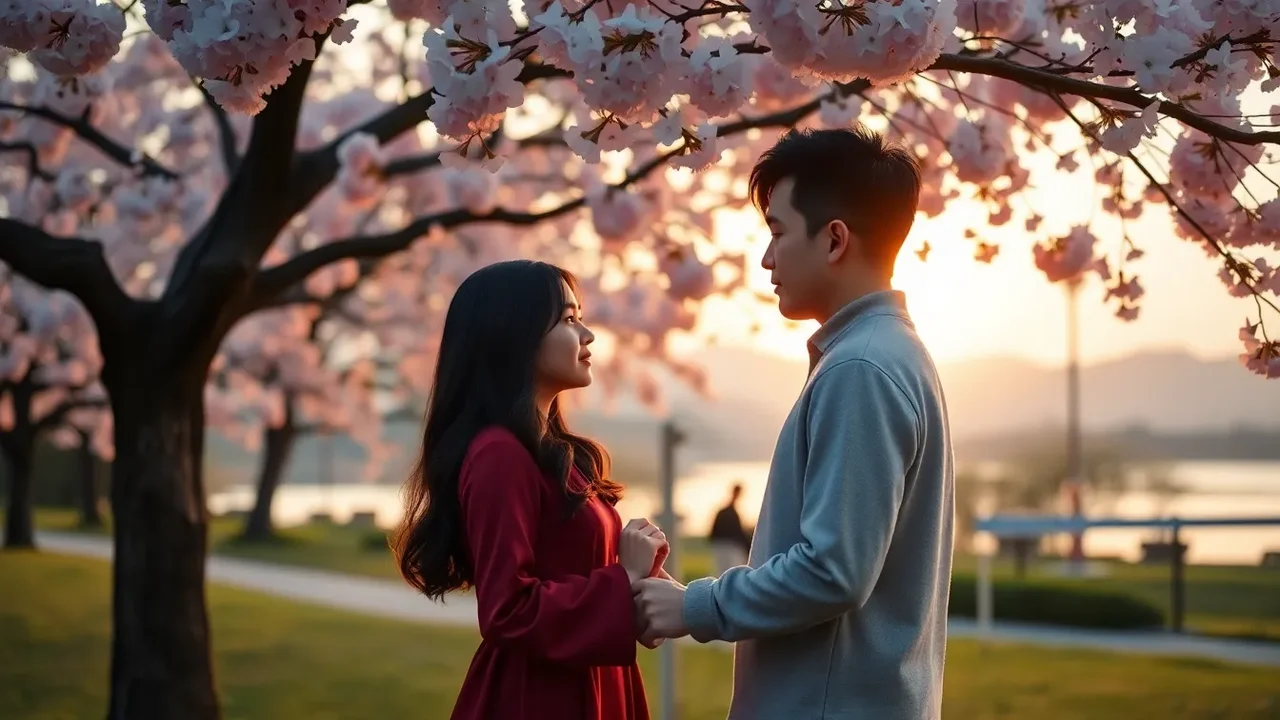
Slow burn romance is a narrative trope that prioritizes the gradual development of a romantic relationship over instant gratification. In K-drama novel adaptations, this technique is particularly effective because it allows viewers to savor the emotional journey, building tension through small gestures, misunderstandings, and shared experiences. The term "slow burn" originates from fan fiction and has since become a staple in romantic storytelling, especially in Asian media. When adapted from a novel to a K-drama, the slow burn must be carefully translated to maintain the essence of the source material while leveraging the visual and auditory strengths of television.
Key Characteristics of Slow Burn Romance
Slow burn romance is defined by several key elements that distinguish it from other romance subgenres. These characteristics are often amplified in K-drama adaptations due to the medium's episodic nature and cultural emphasis on emotional restraint.
- Gradual Progression: The relationship develops over many episodes, often spanning the entire series. Major milestones, such as the first kiss or confession, are delayed until the latter half or even the final episodes.
- Emotional Tension: Unresolved feelings, jealousy, and longing create a palpable tension that keeps audiences invested. This tension is often expressed through lingering glances, accidental touches, and meaningful silences.
- Character Development: Both protagonists undergo significant personal growth before they are ready for a relationship. Their individual arcs are as important as the romantic one.
- Misunderstandings and Obstacles: External conflicts, such as family disapproval, social class differences, or past traumas, serve as barriers that the couple must overcome together.
- Subtle Romantic Gestures: Grand declarations are rare; instead, love is shown through small acts of kindness, like sharing an umbrella or preparing a meal.
Adapting the Slow Burn from Novel to Screen
Adapting a slow burn romance novel into a K-drama requires careful consideration of pacing, visual storytelling, and audience expectations. Novels have the luxury of internal monologue, allowing readers to experience the characters' thoughts and feelings directly. In a drama, this must be conveyed through dialogue, acting, and cinematography. The screenwriter often expands on subplots or adds new characters to flesh out the world and increase the number of episodes. For example, in the adaptation of "What's Wrong with Secretary Kim" (based on the web novel by Jung Kyung-yoon), the drama added a childhood backstory and a secondary romance to stretch the slow burn over 16 episodes. The key is to maintain the essence of the original relationship progression while making it visually compelling.
Examples of Successful Slow Burn Adaptations
Several K-dramas based on novels have mastered the slow burn approach. Here are a few notable examples:
- "Crash Landing on You" (based on a novel by Park Ji-eun): The romance between a South Korean heiress and a North Korean officer develops over 16 episodes, with obstacles like political borders and family expectations. The slow burn is enhanced by the cultural divide and the constant threat of separation.
- "The King: Eternal Monarch" (based on a novel by Kim Eun-sook): The interdimensional romance requires the leads to build trust across parallel worlds, with the slow burn fueled by mystery and time travel.
- "Itaewon Class" (based on a webtoon by Gwangjin): Though not a traditional romance, the slow burn between the protagonist and his love interest is central, with the relationship evolving over years due to revenge and personal growth.
- "True Beauty" (based on a webtoon by Yaongyi): The slow burn focuses on the female lead's insecurities and the male lead's gradual acceptance, with the romance building through shared secrets and emotional support.
Pacing Differences: Novel vs. Drama
When adapting a slow burn romance, the pacing must be adjusted for the episodic format. The following table compares typical pacing elements in novels and K-dramas:
| Element | Novel | K-Drama Adaptation |
|---|---|---|
| First meeting | Often described in detail with internal monologue | Visualized through a memorable scene, often with music |
| Early attraction | Subtle hints through thoughts and observations | Shown through lingering glances, accidental touches, and soundtrack cues |
| Midpoint conflict | Internal struggle or external event | Expanded into a multi-episode arc with added subplots |
| First kiss | Often occurs at 60-70% of the novel | Typically delayed to episode 10-14 out of 16 |
| Resolution | Quick wrap-up after the climax | Extended epilogue or final episode with happy ending montage |
This table illustrates how the slow burn is stretched in a drama to maintain viewer engagement over multiple weeks. The drama also adds visual cues, like the changing of seasons or character outfits, to indicate the passage of time.
Practical Information for Writers and Producers
For those looking to adapt a slow burn romance novel into a K-drama, there are several practical considerations:
- Episode Structure: Plan for 16 to 20 episodes, with the first half focusing on establishing the characters and their individual conflicts. The romance should start to flower around episode 8, with the climax in episode 14-15.
- Visual Storytelling: Use recurring motifs, such as a specific location or object, to symbolize the relationship. For example, in "Goblin" (also based on a novel), the red scarf becomes a symbol of the couple's bond.
- Supporting Characters: Introduce second leads or friends who provide contrast or obstacles. Their stories can help fill the runtime without rushing the main romance.
- Music and Soundtrack: A well-placed OST can heighten emotional moments. Slow burn scenes often feature ballads or instrumental pieces that build with the tension.
- Cultural Sensitivity: In K-dramas, public displays of affection are limited, so the slow burn relies on subtle gestures. This aligns well with the trope's emphasis on emotional intimacy over physical.
Why Slow Burn Appeals to Audiences
The slow burn romance resonates with K-drama audiences because it mirrors real-life relationship development. It allows viewers to invest in the characters' journey, creating a deeper emotional payoff. The extended buildup also provides comfort and escapism, as viewers can immerse themselves in the world for weeks. In novel adaptations, the slow burn often preserves the original story's integrity, satisfying fans of the source material while attracting new viewers. The trend is likely to continue, as streaming platforms like Netflix and Viki have shown that slow burn dramas have high rewatch value and strong fan engagement.
Challenges in Adaptation
Despite its popularity, adapting a slow burn romance from a novel is not without challenges. The following list outlines common pitfalls:
- Pacing Issues: If the drama is too slow, viewers may lose interest. The screenwriter must balance the slow burn with enough plot progression to keep the story moving.
- Character Consistency: In long dramas, characters may behave inconsistently to create drama. This can undermine the slow burn's authenticity.
- Fan Expectations: Novel readers often have specific expectations for key scenes. If the drama deviates too much, it can cause backlash.
- Cultural Differences: International audiences may find the slow burn frustrating if they are used to faster-paced romances. Subtitling and localization can help but not always.
Successful adaptations address these challenges by hiring experienced screenwriters, consulting the original author, and conducting test screenings. The result is a drama that honors the source material while leveraging the unique strengths of the television medium.
Future Trends in Slow Burn Adaptations
As K-dramas gain global popularity, the slow burn romance in novel adaptations is evolving. More adaptations are now being co-produced with international streaming platforms, allowing for longer seasons and more nuanced storytelling. The rise of webtoon adaptations, which often have a similar slow burn structure, is also influencing the format. Additionally, the trend of "slow burn with a twist" is emerging, where the romance is combined with genres like fantasy, thriller, or historical drama. For example, the adaptation of "The Tale of the Nine Tailed" (based on a novel) blends myth with a slow burn romance that spans centuries. This hybrid approach keeps the trope fresh and appealing to a wider audience.
In conclusion, the slow burn romance in K-drama novel adaptations is a delicate art that requires careful planning, creative visuals, and a deep understanding of the source material. By focusing on gradual progression, emotional tension, and character development, these adaptations create unforgettable love stories that resonate with viewers long after the final episode. Whether you are a writer, producer, or fan, appreciating the nuances of the slow burn can enhance your experience of K-dramas and their literary origins.
FAQ - Slow Burn Romance in K-Drama Novel Adaptations
What makes a slow burn romance different from a regular romance in K-dramas?
A slow burn romance emphasizes gradual emotional development, with the romantic relationship progressing slowly over many episodes. Key milestones like confessions or first kisses are delayed until the latter half of the series, building tension through subtle gestures, misunderstandings, and character growth. In contrast, regular romances may have faster pacing and earlier romantic resolution.
Why are slow burn romances common in K-drama adaptations of novels?
Novels often have detailed internal monologues and extended character arcs that naturally lend themselves to a slow burn structure. When adapted into a K-drama, the episodic format allows for deeper exploration of these elements, and the cultural preference for emotional restraint and subtlety aligns well with the trope. Additionally, slow burn keeps viewers engaged over multiple weeks, increasing investment and rewatch value.
How do K-drama adaptations preserve the slow burn from the original novel?
Adaptations preserve the slow burn by keeping the core relationship progression intact, often expanding on subplots, adding secondary characters, or using visual storytelling techniques like recurring motifs, meaningful glances, and soundtrack cues. The screenwriter works closely with the source material to ensure that key emotional beats are translated faithfully, while adjusting pacing for the television format.
What are some examples of K-dramas with successful slow burn romance adaptations?
Notable examples include 'Crash Landing on You' (based on a novel), 'The King: Eternal Monarch', 'Itaewon Class' (based on a webtoon), and 'True Beauty'. These dramas are praised for their gradual character development, emotional tension, and satisfying payoffs that stay true to the original stories.
Can a slow burn romance be too slow? How do K-dramas avoid this?
Yes, if the pacing lacks enough plot progression or character development, viewers may lose interest. K-dramas avoid this by interspersing the slow burn with other elements like subplots, secondary romances, character growth arcs, and external conflicts. The use of cliffhangers, music, and visual cues also helps maintain engagement. The key is to balance the romantic tension with other narrative threads.
What is the typical episode structure for a slow burn romance K-drama adaptation?
Most slow burn K-dramas are 16 episodes long. The first 4-6 episodes focus on establishing the characters and their individual lives. The romantic tension starts building around episodes 5-8, with the first major milestone (like a realization of feelings) occurring around episode 10-12. The first kiss or confession is often in episode 12-14, and the final episodes resolve external conflicts and provide a happy ending. Some dramas extend to 20 episodes with similar pacing adjustments.
Slow burn romance in K-drama novel adaptations emphasizes gradual emotional development, delayed milestones, and subtle gestures. It preserves the original novel's pacing through visual storytelling, expanded subplots, and cultural sensitivity. Examples include 'Crash Landing on You' and 'Itaewon Class'. This trope appeals to viewers seeking deep, realistic relationships and high rewatch value.
Slow burn romance in K-drama novel adaptations is a masterful storytelling technique that rewards patience with emotional depth and unforgettable character arcs. By translating the nuanced pacing of novels into visual narratives, these dramas create a shared experience of longing and discovery that resonates across cultures. As the genre continues to evolve, blending traditional slow burn with modern twists, it remains a beloved staple for fans seeking authentic, heartfelt love stories.