The Anatomy of Longing: Defining Pining in K-Drama Romance Novels
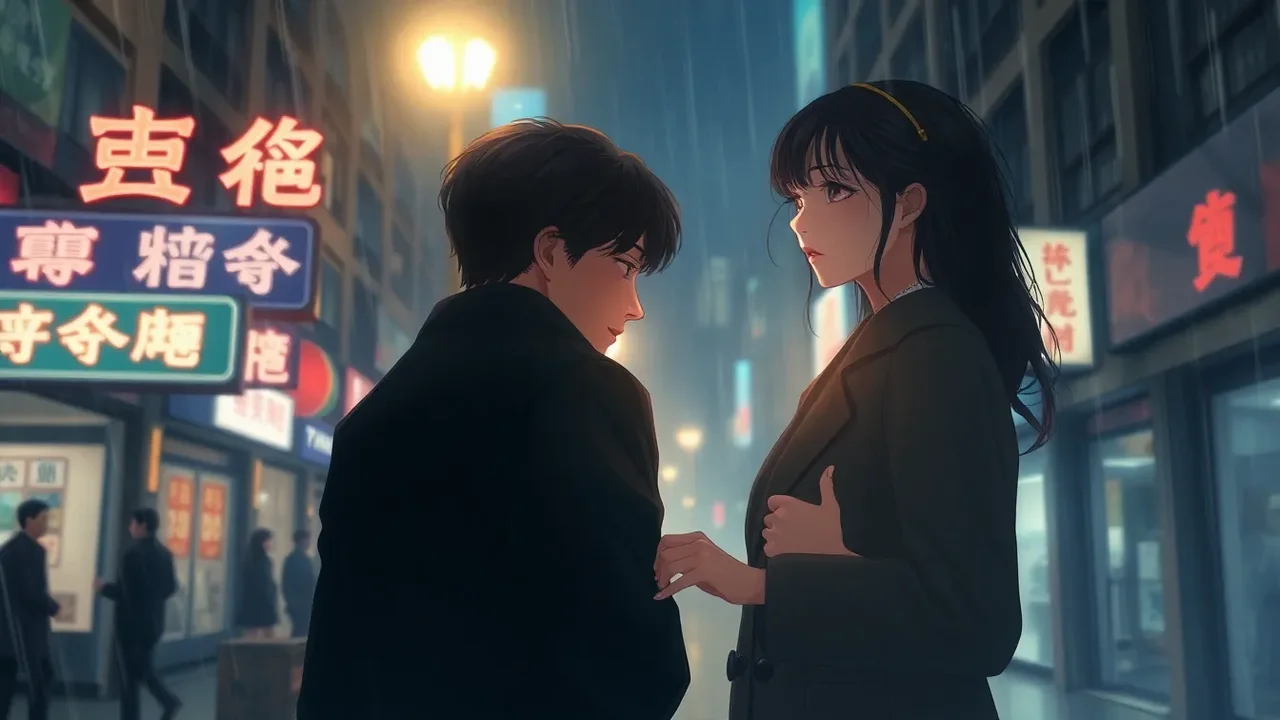
Pining, at its core, is the emotional state of intense, often painful, longing for someone or something that is absent or unattainable. In K-drama romance novels, this is not a mere crush or a fleeting infatuation. It is a profound, sustained ache that permeates the narrative, character development, and even the atmospheric details. Unlike Western romance, where pining might be resolved quickly, K-drama-inspired novels luxuriate in this state, using it as a primary engine for emotional tension. The art lies in making the reader feel every unspoken word, every missed connection, and every stolen glance. The pining character often exists in a limbo of hope and despair, their entire world revolving around the object of their affection. This is not passive waiting; it is an active, internal struggle that shapes their actions and decisions.
The Core Mechanisms of K-Drama Pining
Several key mechanisms distinguish pining in this genre. First, the slow burn is paramount. The romance does not ignite quickly; instead, it smolders over dozens of chapters. Second, miscommunication and misunderstandings are not plot holes but deliberate tools. Characters often fail to confess due to fear, social hierarchy, or a perceived lack of worth. Third, physical and emotional barriers are erected—a childhood promise, a secret identity, a family obligation, or a terminal illness. These barriers make the pining feel epic and tragic. Fourth, the use of secondary characters as foils or confidantes amplifies the main couple's tension. A best friend might offer blunt advice, while a rival creates jealousy, forcing the pining character to confront their feelings. Finally, thematic repetition of motifs—rain, a specific song, a shared item—anchors the pining in sensory details, making it tangible for the reader.
| Element | Function in Pining | Example from K-Drama Novels |
|---|---|---|
| Slow Burn | Delays gratification, builds anticipation | Chapter 10: They hold hands for the first time. Chapter 30: They share a kiss. |
| Misunderstanding | Creates artificial distance, heightens angst | She overhears him saying he doesn't care, but he was protecting her. |
| Physical Barrier | Makes union seem impossible | He is a chaebol heir; she is a part-time worker. Class divides them. |
| Emotional Barrier | Internal conflict, fear of vulnerability | He has a trauma from a past relationship and fears abandonment. |
| Secondary Characters | Provide perspective, create jealousy | A childhood friend confesses to the female lead, making the male lead realize his feelings. |
| Motif/Repetition | Symbolizes the connection, triggers memory | A silver locket he gave her as a child; she touches it when she misses him. |
The Pining Archetypes: Who Pines and Why
Pining is not a one-size-fits-all emotion. In K-drama romance novels, characters fall into distinct archetypes that dictate how they experience and express their longing. The Cold-Hearted Male Lead is a classic. He appears stoic, aloof, and emotionally unavailable, but internally, he is a storm of unexpressed devotion. His pining is silent, often expressed through protective actions rather than words. He might watch her sleep, leave her favorite snacks, or secretly solve her problems. The Sunshine Female Lead is the opposite. She is bright, optimistic, and openly affectionate, but her pining is often for a love she feels is unrequited. She gives her all, even when she receives little in return, and her pain is visible in her forced smiles. The Second Lead Syndrome character is the ultimate piner. They love the protagonist deeply but know they will never be chosen. Their pining is a beautiful, tragic self-sacrifice. They often let go with grace, saying things like, "I just want you to be happy, even if it's not with me." Finally, the Reunited Lovers archetype features characters who pined for years after a separation, their longing tinged with nostalgia and regret. Their reunion is a test of whether the pining can transform into a second chance.
How Pining Manifests Across Narrative Stages
The art of pining is also a matter of pacing. In the initial stage, the character may not even recognize their pining. It manifests as irritation, curiosity, or an inexplicable attraction. The reader sees the signs before the character does. In the middle stage, awareness dawns, and the pining becomes acute. The character experiences physical symptoms: a racing heart, sleepless nights, a constant ache. They create elaborate fantasies and overanalyze every interaction. This is where the tension peaks. In the climax stage, the pining is either resolved or reaches a breaking point. A confession, a crisis, or a sacrifice forces the issue. The pining character must act or risk losing the object of their affection forever. In the resolution stage, the pining transforms into a mature, stable love. The longing is replaced by contentment, but the memory of the pining adds depth to the relationship. Skilled authors use this progression to create a satisfying emotional arc.
Practical Techniques for Writing Compelling Pining
For writers looking to master this art, several practical techniques are essential. Show, Don't Tell is the golden rule. Instead of writing "He missed her," describe him reaching for his phone to text her, then putting it down. Show him driving past her favorite café. Show him smelling her perfume on an old scarf. Internal Monologue is a powerful tool. Give the reader access to the character's raw, unfiltered thoughts. Let them argue with themselves, justify their actions, and imagine impossible scenarios. Dialogue Subtext is crucial. Characters rarely say what they mean. A simple "Are you cold?" can be loaded with concern. A teasing remark can hide deep affection. Physical Cues like trembling hands, averted gazes, shallow breathing, or a clenched jaw convey the visceral reality of pining. Symbolic Actions can also speak volumes. A character might keep a wilted flower she gave him, or he might learn to cook her favorite dish. These small, consistent actions build a powerful narrative of devotion.
- Use the environment: Rain often symbolizes tears or cleansing. A shared umbrella creates forced proximity. A full moon can represent unfulfilled desires.
- Leverage time skips: A time jump of months or years can show the endurance of pining, making the eventual reunion more impactful.
- Create a "pining object": A diary, a photograph, a piece of jewelry—something tangible that the character clings to.
- Employ the "almost" moments: They almost kiss but are interrupted. They almost confess but lose their nerve. These moments build exquisite tension.
- Balance angst with hope: Constant despair is exhausting. Intersperse moments of sweetness—a shared laugh, an unexpected kindness—to keep the reader invested.
The Cultural Context: Why Pining Resonates in K-Drama Novels
The prevalence of pining in K-drama romance novels is deeply rooted in Korean cultural values. Jeong (정), a complex concept of emotional bond and attachment, plays a significant role. Pining can be seen as an expression of deep jeong, a connection that persists even through hardship and distance. Han (한), a feeling of unresolved resentment and sorrow, also informs the tragic undertones of some pining narratives. The emphasis on saving face and indirect communication means that direct confessions are rare, making pining a more realistic emotional pathway. Furthermore, the collectivist nature of Korean society means that individual desires are often subordinated to family or social expectations, creating the very barriers that fuel pining. These cultural nuances give K-drama pining a distinct flavor—it is not just personal longing; it is a reflection of societal pressures and deep-seated emotional philosophies. Understanding this context allows writers to create authentic and resonant stories that feel true to the genre's roots.
Subverting the Trope: Fresh Takes on Pining
While traditional pining is beloved, modern K-drama romance novels are finding ways to subvert the trope. One approach is to reverse the pining dynamic. Instead of the male lead pining, the female lead might be the one who is emotionally distant, forcing the male lead to pursue her. Another is to make the pining mutual but unspoken, creating a delicious tension where both characters are suffering in silence. A third subversion is to resolve the pining early in the novel and then explore the challenges of a relationship, transforming the pining into a different kind of anxiety—the fear of losing what you have. Finally, some novels critique the pining itself, showing it as unhealthy or obsessive, and the character's growth involves learning to let go or to love themselves first. These subversions keep the genre fresh and allow for complex character arcs beyond the simple longing.
A Case Study: The Pining of Gu Jun-pyo and Geum Jan-di (Boys Over Flowers)
Though a drama, the novelization of Boys Over Flowers is a perfect case study. Gu Jun-pyo, the rich and arrogant male lead, pines for Geum Jan-di, the poor yet spirited girl. His pining is aggressive, possessive, and often misguided. He bullies her to get her attention, but his actions are driven by a deep, unrecognized need for her affection. Jan-di, on the other hand, pines for a simpler, more honest love, often feeling torn between Jun-pyo and the gentler Yoon Ji-hoo. Her pining is for understanding and equality. The novel uses classic K-drama pining devices: the class barrier, the love triangle, the misunderstandings, and the grand, dramatic gestures. Jun-pyo's pining is ultimately what humanizes him, transforming him from a tyrant into a vulnerable lover. This case study illustrates how pining can be a vehicle for character growth and thematic exploration.
Conclusion
In summary, the art of pining in K-drama romance novels is a sophisticated narrative tool that thrives on tension, cultural nuance, and emotional depth. By understanding its mechanisms, archetypes, and techniques, writers can craft stories that resonate deeply with readers who crave the exquisite pain and ultimate reward of a love long awaited. The pining is not the obstacle; it is the journey itself.
FAQ - The Art of Pining in K-Drama Romance Novels
What exactly is 'pining' in the context of K-drama romance novels?
Pining is the intense, often painful, and prolonged state of longing for a romantic interest who is either physically absent, emotionally unavailable, or seemingly unattainable due to external or internal barriers. It is a central emotional driver in K-drama-inspired narratives, characterized by unspoken feelings, slow-burn tension, and deep yearning.
How does pining differ from a simple crush in K-drama novels?
A simple crush is fleeting and light, whereas pining is a profound, sustained emotional state that shapes the character's identity and drives the plot. Pining involves significant internal conflict, physical and emotional symptoms (like sleeplessness or heartache), and often spans a large portion of the narrative. It is a central theme, not a passing phase.
Why is pining so common in K-drama romance novels?
Pining resonates with cultural values like 'jeong' (deep emotional bonds) and 'han' (resolved sorrow), and it aligns with indirect communication styles common in Korean culture. It also creates high emotional stakes and dramatic tension, which are hallmarks of the genre. The slow burn of pining allows for rich character development and a more satisfying eventual resolution.
What are some common tropes that create pining in these novels?
Common tropes include the love triangle (especially 'second lead syndrome'), class or social barriers, childhood promises or connections, secret identities, miscommunication and misunderstandings, forced proximity, and the 'enemies to lovers' dynamic. These tropes create the obstacles that prevent characters from being together, fueling the pining.
How can a writer effectively show pining without telling?
Effective techniques include using internal monologue to reveal unspoken thoughts, describing physical cues like trembling hands or averted gazes, employing subtext in dialogue (e.g., 'Are you cold?' meaning 'I care about you'), and using symbolic actions like keeping a memento or visiting a meaningful place. The environment, such as rain or a specific song, can also mirror the character's emotional state.
Can pining ever be a negative or unhealthy trope?
Yes, if not handled carefully. Pining can veer into obsessive or codependent behavior if the character's entire self-worth is tied to the object of their affection. Modern K-drama novels sometimes subvert this by having characters learn to love themselves first or by critiquing the pining itself. Healthy pining should ultimately lead to growth and a more mature love, not emotional stagnation.
The art of pining in K-drama romance novels is a narrative technique centered on prolonged, intense longing for an unattainable love. It uses slow burns, cultural nuances like jeong, and tropes such as love triangles and misunderstandings to create emotional depth and tension, ultimately driving character growth and a satisfying romantic resolution.
In mastering the art of pining, K-drama romance novelists tap into a universal human experience—the ache of wanting what we cannot have. Yet, within that ache lies the promise of transformation, the beauty of devotion, and the hope that longing, when woven with skill and heart, can lead to the most profound of love stories. Whether you are a writer or a reader, understanding this art enriches the experience, turning a simple romance into an epic emotional journey.