The Rise of Webtoon Adaptations in K-Dramas
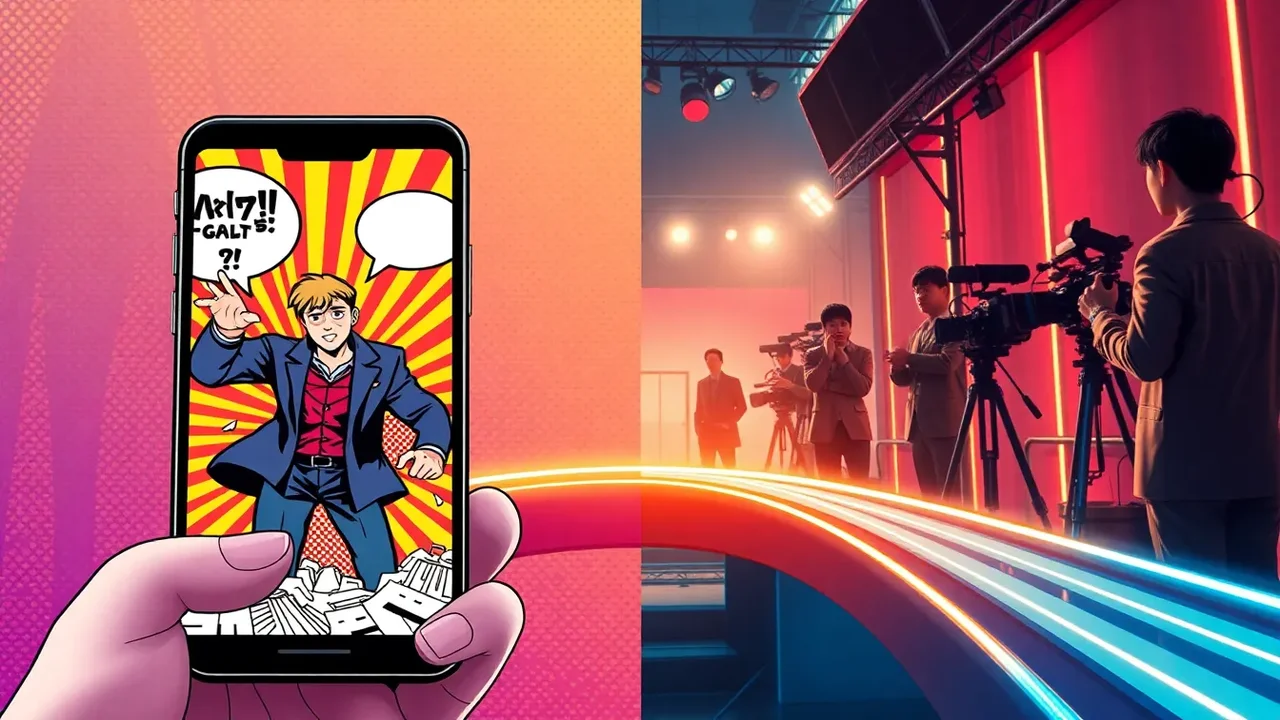
The Korean entertainment industry has witnessed a seismic shift in recent years, with webtoons—digital comics originating from South Korea—becoming the primary source material for some of the most successful and critically acclaimed K-dramas. This trend, often called the 'webtoon adaptation wave,' has transformed how stories are developed, produced, and consumed. Unlike traditional dramas based on novels or original scripts, webtoon adaptations offer a unique advantage: they come with a built-in fanbase, pre-visualized characters, and a proven narrative structure that has already resonated with millions of readers. The synergy between the webtoon platform and television production has created a powerful ecosystem where stories can migrate seamlessly from vertical-scrolling digital panels to live-action screenplays.
Why Webtoons Are Ideal Source Material for K-Dramas
Webtoons are inherently visual, making them a natural fit for television adaptation. Unlike novels, which require extensive imagination to translate into scenes, webtoons provide a complete visual blueprint. Artists have already designed the characters, settings, and key moments, which reduces pre-production time and costs. Additionally, webtoons are serialized in a weekly format, much like K-dramas, meaning writers and directors can study pacing and cliffhanger techniques directly from the source. The demographic overlap is also significant: the primary readers of webtoons are young adults aged 18 to 35, which is exactly the target audience for most K-dramas. This alignment ensures that adaptations have a high probability of commercial success.
Key Examples of Successful Webtoon Adaptations
Several webtoon adaptations have not only achieved high viewership but also garnered critical acclaim. 'Itaewon Class' (2020), based on the webtoon by Gwang Jin, became a cultural phenomenon, exploring themes of revenge and entrepreneurship. 'True Beauty' (2020-2021), adapted from Yaongyi's webtoon, tackled beauty standards and self-esteem, becoming a global hit on streaming platforms. 'Sweet Home' (2020), based on Carnby Kim and Youngchan Hwang's webtoon, brought horror and survival drama to Netflix with stunning visual effects. 'A Business Proposal' (2022), adapted from Haehwa's webtoon, became a romantic comedy sensation, praised for its faithful adaptation and comedic timing. 'The Uncanny Counter' (2020-2021), based on Jang Yi's webtoon, blended supernatural elements with action, earning a second season due to popularity. These examples illustrate the diversity of genres—romance, thriller, horror, action, and comedy—that webtoons can bring to the small screen.
The Adaptation Process: From Panels to Screen
Adapting a webtoon into a K-drama involves several critical steps. First, production companies acquire the rights from webtoon platforms like Naver Webtoon or Kakao Webtoon. Then, a screenwriter adapts the story, often compressing or expanding plotlines to fit a standard 16-episode K-drama format. Unlike webtoons, which can run for hundreds of episodes, dramas need to maintain a tight narrative arc. Casting is another crucial phase, as fans expect actors who resemble the webtoon characters. Directors must also decide how to translate the distinct art style—such as exaggerated expressions or dramatic lighting—into live-action cinematography. Music, sound design, and special effects are added to enhance emotional moments that were originally conveyed through static images. The production timeline is typically 12 to 18 months, from script development to final broadcast.
Impact on the Korean Entertainment Industry
The webtoon adaptation trend has reshaped the Korean entertainment landscape. For webtoon platforms, it provides a lucrative revenue stream through licensing fees and increased readership for the original series. For broadcasters and streaming services, it offers a lower-risk investment because the story has already been market-tested. Actors benefit from the global exposure, as webtoon-based dramas often top international charts. Additionally, the trend has spurred cross-industry collaboration, with webtoon artists sometimes serving as consultants or cameo actors in the dramas. This synergy has also encouraged the creation of original webtoons specifically designed for future adaptation, blurring the line between the two mediums.
Challenges and Criticisms of Webtoon Adaptations
Despite their popularity, webtoon adaptations face significant challenges. One major issue is fan backlash when the drama deviates from the source material. For instance, changes in character personalities, romantic pairings, or plot endings can trigger online outrage. Another challenge is pacing: webtoons often have slow-burn narratives that do not translate well to the fast-paced drama format. Some adaptations suffer from visual inconsistency, where the live-action version fails to capture the unique art style of the webtoon. Additionally, the pressure to satisfy both existing fans and new viewers can lead to creative compromises. There is also the risk of over-saturation, as too many adaptations may lead to audience fatigue. Finally, the budget constraints for special effects, especially in fantasy or action webtoons, can limit the visual spectacle that readers expect.
Practical Information for Aspiring Creators
For writers and producers interested in webtoon adaptations, several practical steps can increase success. First, secure the rights early before the webtoon gains massive popularity to avoid bidding wars. Second, involve the original creator in the adaptation process to maintain authenticity. Third, conduct audience surveys to understand what fans love most about the webtoon and prioritize those elements. Fourth, choose a director who has experience with visual storytelling and can translate comic panels into cinematic shots. Fifth, invest in casting that matches the webtoon's character designs as closely as possible, even considering actors who have previously played similar roles. Finally, plan for global distribution from the start, as webtoon adaptations have strong international appeal, especially on platforms like Netflix, Viki, and iQIYI.
Comparative Analysis: Webtoon vs. Original K-Dramas
| Aspect | Webtoon Adaptations | Original K-Dramas |
|---|---|---|
| Source Material | Pre-existing digital comic | Original script or novel |
| Fanbase | Built-in, millions of readers | Must be built from scratch |
| Visual Blueprint | Complete character and scene designs | Requires concept art development |
| Risk of Failure | Lower due to proven story | Higher, untested narrative |
| Creative Freedom | Limited by fan expectations | Full creative control |
| Budget | Often higher for visual effects | Variable, can be lower |
| Global Appeal | Strong, especially in Asia | Depends on genre and cast |
Top Webtoon Adaptations by Genre
- Romance: 'True Beauty', 'A Business Proposal', 'What's Wrong with Secretary Kim'
- Thriller/Horror: 'Sweet Home', 'Hellbound', 'The Guest'
- Action/Fantasy: 'The Uncanny Counter', 'Tower of God', 'God of High School'
- Drama/Slice of Life: 'Itaewon Class', 'Misaeng', 'The Sound of Magic'
- Comedy: 'The Great Seducer', 'My ID is Gangnam Beauty', 'Cheese in the Trap'
Future Trends in Webtoon Adaptations
The future of webtoon adaptations looks promising, with several trends emerging. International co-productions are increasing, as seen with Netflix's investment in Korean webtoon-based content. Interactive dramas that allow viewers to choose plot directions, similar to webtoon branching storylines, are being explored. Animation adaptations are also gaining traction, particularly for fantasy webtoons that are difficult to produce live-action. Additionally, webtoon-to-drama franchises are being planned, with spin-offs and sequels expanding the universe. The use of AI and deepfake technology to match actors' appearances to webtoon characters is another emerging possibility. As the global appetite for Korean content continues to grow, webtoon adaptations will likely remain a dominant force in K-drama production for years to come.
FAQ - Webtoon Adaptations: The New K-Drama Trend
What is a webtoon adaptation in K-dramas?
A webtoon adaptation is a television drama series that is based on a webtoon, which is a digital comic originally published on platforms like Naver Webtoon or Kakao Webtoon. The adaptation translates the webtoon's story, characters, and visual style into a live-action format, often with a 16-episode structure. This trend has become popular because webtoons come with a pre-existing fanbase and a proven narrative.
Why are webtoon adaptations so popular in K-dramas?
Webtoon adaptations are popular because they reduce production risk by using stories that have already resonated with millions of readers. They also provide a complete visual blueprint for characters and settings, which speeds up pre-production. Additionally, the target audience for webtoons (young adults) overlaps significantly with K-drama viewers, ensuring high engagement. Successful examples like 'Itaewon Class' and 'True Beauty' have proven their commercial viability.
What are some challenges of adapting webtoons into K-dramas?
Challenges include managing fan expectations, as deviations from the source material can cause backlash. Pacing is another issue, as webtoons often have slow-burn narratives that may not fit the fast-paced drama format. Visual inconsistency, budget constraints for special effects, and the risk of over-saturation are also common problems. Creators must balance faithfulness to the webtoon with the need for fresh storytelling.
How do producers choose which webtoons to adapt?
Producers typically look for webtoons with high readership numbers, strong character designs, and a genre that has proven appeal in K-dramas. They also consider the webtoon's potential for global distribution, its visual distinctiveness, and whether the story can be compressed into a 16-episode format. Platforms like Naver Webtoon often promote popular series to production companies, and bidding wars can occur for top-tier titles.
Do webtoon adaptations always stay faithful to the original story?
Not always. While many adaptations aim to be faithful, changes are often made to improve pacing, add depth to supporting characters, or adjust endings for television audiences. Some adaptations take creative liberties, such as merging characters or altering romantic arcs, which can lead to mixed reactions from fans. The level of faithfulness varies by production, but involving the original webtoon creator can help maintain authenticity.
What is the future of webtoon adaptations in K-dramas?
The future includes more international co-productions, such as Netflix's investment in webtoon-based content. Interactive dramas, animated adaptations for fantasy genres, and franchise expansions with spin-offs are also expected. Advances in AI and visual effects may allow for even closer matches between webtoon art and live-action actors. The trend is likely to grow as global demand for Korean content increases.
Webtoon adaptations are a major K-drama trend where popular digital comics are turned into live-action series. This approach reduces production risk by using proven stories with built-in fanbases. Examples include 'Itaewon Class' and 'True Beauty'. The trend leverages visual blueprints from webtoons, speeds up pre-production, and appeals to global audiences, making it a dominant force in Korean entertainment.
Webtoon adaptations have undeniably become a defining trend in the K-drama landscape, offering a unique blend of pre-validated storytelling, visual artistry, and built-in audience loyalty. While challenges such as fan expectations and pacing remain, the success of series like 'Itaewon Class', 'True Beauty', and 'Sweet Home' demonstrates the immense potential of this cross-medium collaboration. As technology advances and global streaming platforms continue to invest in Korean content, the relationship between webtoons and K-dramas will only deepen, fostering a vibrant ecosystem where digital comics and live-action dramas enrich each other. For creators, producers, and fans alike, this trend represents not just a passing fad, but a sustainable model for storytelling in the 21st century.