The Weight of a Thousand Years: How Episode 5 Recontextualizes Goblin's Suffering
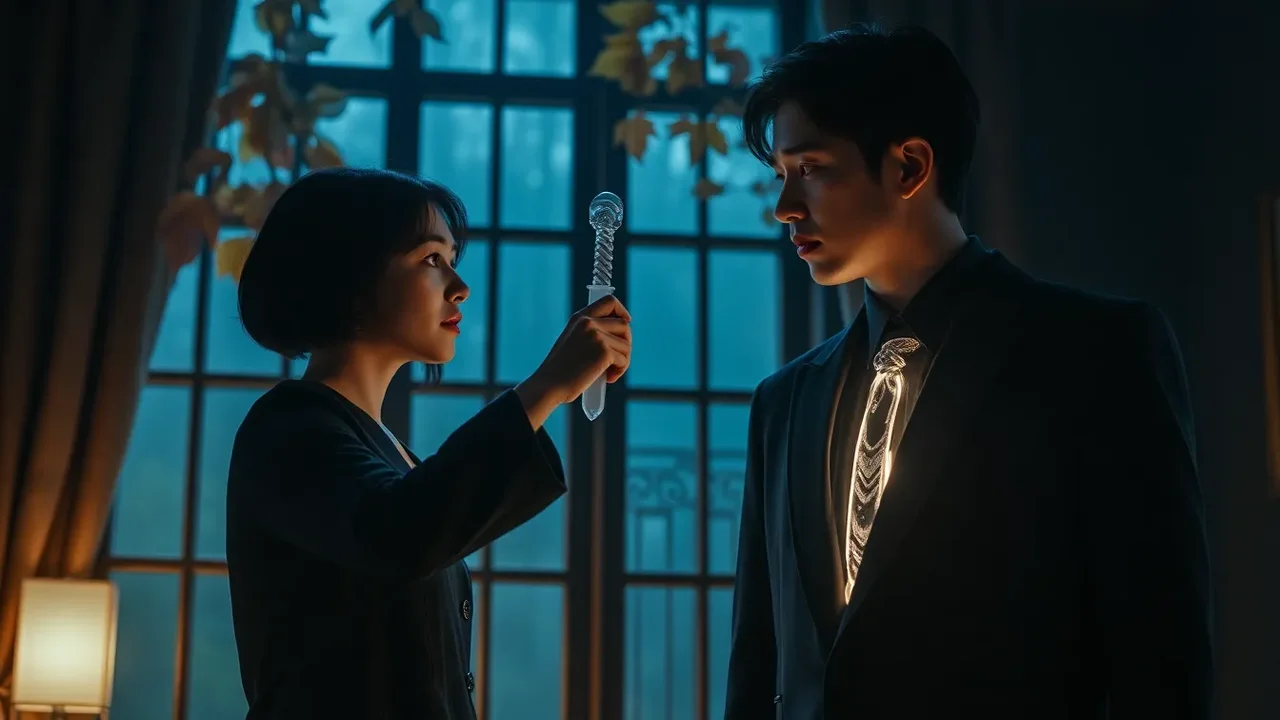
Episode 5 of the Korean drama Goblin is a masterclass in emotional devastation. It does not rely on sudden tragedies but instead layers pain upon pain, revealing the depth of the Goblin's (Kim Shin) curse. The episode opens with the lighthearted banter between the Goblin and his bride, Eun-tak, but swiftly descends into a psychological unraveling. The core of the heartbreak lies in the moment Eun-tak first sees the sword lodged in the Goblin's chest. This is not merely a plot device; it is a metaphor for the invisible burdens we all carry. The Goblin has spent nine centuries alone, cursed to watch loved ones die while he remains immortal. Episode 5 forces both characters—and the audience—to confront the reality of his pain.
The Unseen Sword: A Metaphor for Emotional Baggage
When Eun-tak finally sees the sword, the camera lingers on her shocked face, then on the Goblin's confused expression. He has grown accustomed to the sword; it is part of his identity. But for Eun-tak, it is a sudden, brutal revelation. The sword represents every unshed tear, every unspoken regret, every moment of loneliness. The director uses close-ups to emphasize the weight of this revelation. The sword is not just a fantasy element; it is a symbol of the emotional baggage that prevents the Goblin from finding peace. This scene breaks hearts because it shows how love can be both a salvation and a source of pain. Eun-tak realizes that to love the Goblin fully, she must also accept his suffering.
Memory Montage: The Slow Drip of Tragedy
One of the most powerful sequences in Episode 5 is the memory montage. As Eun-tak touches the sword, the Goblin's past floods before her—and the audience's—eyes. The montage is deliberately paced, allowing each memory to sink in. We see his childhood, his military glory, the betrayal by his king, and the death of his sister. The music swells, but never overwhelms; instead, it underscores the quiet tragedy. A table of key memories in this montage highlights their emotional impact:
| Memory Scene | Emotional Impact |
|---|---|
| The Goblin as a young general, victorious in battle | Establishes his nobility and strength, making his fall more tragic |
| His sister's murder by the king | Raw grief and helplessness; the first crack in his immortal facade |
| The moment he receives the curse of immortality | Shows the cruelty of fate; he did not choose this suffering |
| Centuries of wandering alone in foreign lands | Highlights the loneliness that defines his existence |
| Eun-tak's mother saving him in the rain | Foreshadows the cyclical nature of sacrifice and love |
The montage does not just show painful events; it shows how those events shaped the Goblin's character. He is not just a mournful immortal; he is a man who has been broken and rebuilt countless times. This slow drip of tragedy is what makes Episode 5 so devastating—it does not allow the viewer to look away. Each memory is a small heartbreak that accumulates into an overwhelming sense of loss.
The Soundtrack as a Character: How Music Amplifies Heartbreak
Music in Goblin is never just background noise. In Episode 5, the score plays a critical role in shaping the emotional response. The main theme, 'Stay With Me,' is used sparingly but hits hard when it appears. During the sword revelation, a softer, instrumental version plays, creating an intimate atmosphere. Later, when the Goblin breaks down in Eun-tak's arms, a haunting piano piece takes over. The music mirrors the characters' inner turmoil—at first hesitant, then swelling with pain. Practical information for aspiring screenwriters: note how the show uses silence as a tool. In the moments between music, the audience hears only ragged breaths and whispered words, making the eventual musical climax even more powerful. This episode teaches that heartbreak is built, not declared.
Fate vs. Free Will: The Cruelest Twist
Episode 5 also introduces a philosophical layer: the Goblin's fate is to die when his bride pulls out the sword. But Eun-tak's love for him makes her reluctant to fulfill this destiny. The cruel twist is that her love—the very thing that can save him—also condemns him to continued suffering if she does not act. This paradox is explored through a series of emotional dialogues. The Goblin tells her, 'You're the only one who can end my life,' and Eun-tak responds, 'Then I will never pull it out.' This exchange breaks hearts because it shows two people trapped by love. The Goblin wants release but cannot ask for it; Eun-tak wants to keep him but knows she is being selfish. The result is a beautiful, tragic stalemate. A list of the episode's most heartbreaking moments includes:
- Eun-tak seeing the sword for the first time – The moment innocence meets harsh reality.
- The Goblin's confession about his past – 'I have been waiting for a thousand years to die.'
- The memory of his sister – His only family, taken unjustly.
- Eun-tak's tears as she touches the sword – She feels his pain as her own.
- The closing scene where he smiles through tears – A smile that hides centuries of sorrow.
The Visual Storytelling: Colors and Framing
Director Lee Eung-bok uses color to enhance the heartbreak. Episode 5 is bathed in cool blues and greys, punctuated by the warm colors of Eun-tak's presence. When the sword is seen, the lighting dims, and shadows creep across the Goblin's face. This visual choice mirrors the emotional shift from hope to despair. Framing is also deliberate: in scenes of memory, the camera often zooms in on the Goblin's eyes, forcing viewers to see his pain up close. Wide shots of him standing alone in empty halls emphasize his isolation. These techniques are not just artistic; they are practical tools for evoking empathy. For writers and directors studying this episode, note how every visual element serves the emotional story.
The Acting: Gong Yoo and Kim Go-eun's Chemistry
No analysis of Episode 5's heartbreak is complete without acknowledging the performances. Gong Yoo (Goblin) delivers a nuanced performance, oscillating between stoic resignation and raw vulnerability. In the scene where he finally admits his longing for death, his voice cracks just enough to be believable without becoming melodramatic. Kim Go-eun (Eun-tak) matches him with a performance that captures youthful optimism crashing into devastating truth. Their chemistry makes the heartbreak feel personal. The audience is not just watching characters; they are witnessing two souls collide. This episode broke hearts because the actors made every emotion tangible.
In summary, Episode 5 of Goblin breaks hearts through a combination of masterful storytelling, symbolic imagery, and stellar acting. It does not shy away from the painful reality of love and fate. The sword in the chest is not just a fantasy element; it is a metaphor for the invisible wounds we all carry. By the end of the episode, viewers are left with a profound sense of empathy for the Goblin and a deeper understanding of what it means to love someone who carries a heavy burden. This is why the episode remains one of the most discussed and beloved moments in Korean drama history.
FAQ - Why 'Goblin' Episode 5 Broke My Heart
Why is Episode 5 of Goblin considered so heartbreaking?
Episode 5 reveals the full extent of the Goblin's suffering through a memory montage and the moment Eun-tak sees the sword in his chest. The emotional weight of his 900-year curse, combined with the bittersweet love story, creates a profound sense of tragedy.
What is the significance of the sword in Goblin Episode 5?
The sword symbolizes the Goblin's immortality and his emotional pain. It is a physical manifestation of his curse, and only his bride can remove it. In Episode 5, seeing the sword forces both characters to confront the cost of their love.
How does the music contribute to the heartbreak in Episode 5?
The score, particularly 'Stay With Me' and the piano pieces, underscores key emotional moments. The music swells during the memory montage and fades to silence during intimate confessions, amplifying the viewers' emotional response.
Who gave the best performance in Episode 5?
Both Gong Yoo (Goblin) and Kim Go-eun (Eun-tak) delivered standout performances. Gong Yoo's portrayal of a centuries-old being breaking down, and Kim Go-eun's raw reaction to discovering his pain, made the episode unforgettable.
Does Episode 5 change the dynamic between Goblin and Eun-tak?
Yes, before this episode, their relationship was playful and romantic. After Eun-tak sees the sword, their bond becomes tinged with sorrow and duty. She now understands the gravity of her role as his bride.
What lessons can writers learn from the heartbreak in Episode 5?
Writers can learn the power of slow revelation, using metaphors (like the sword), and building emotional depth through memory montages. The episode shows that heartbreak is most effective when it arises from character-driven choices, not random tragedy.
Goblin Episode 5 breaks hearts by revealing the sword in the Goblin's chest, a symbol of his 900-year curse. Through a memory montage, stellar acting, and haunting music, viewers experience the weight of his loneliness and the tragic paradox of love that can both save and destroy.
Episode 5 of Goblin broke my heart because it stripped away the fantasy veneer and revealed the raw, human cost of love and immortality. The sword is not just a plot device; it is the sum of every unspoken sorrow. Watching Eun-tak realize that her love is both a cure and a poison left an indelible mark. This episode reminds us that the most heartbreaking stories are not about death, but about the pain of living with an open wound—and the courage it takes to love someone despite it.