Emotional Depth and Character Development
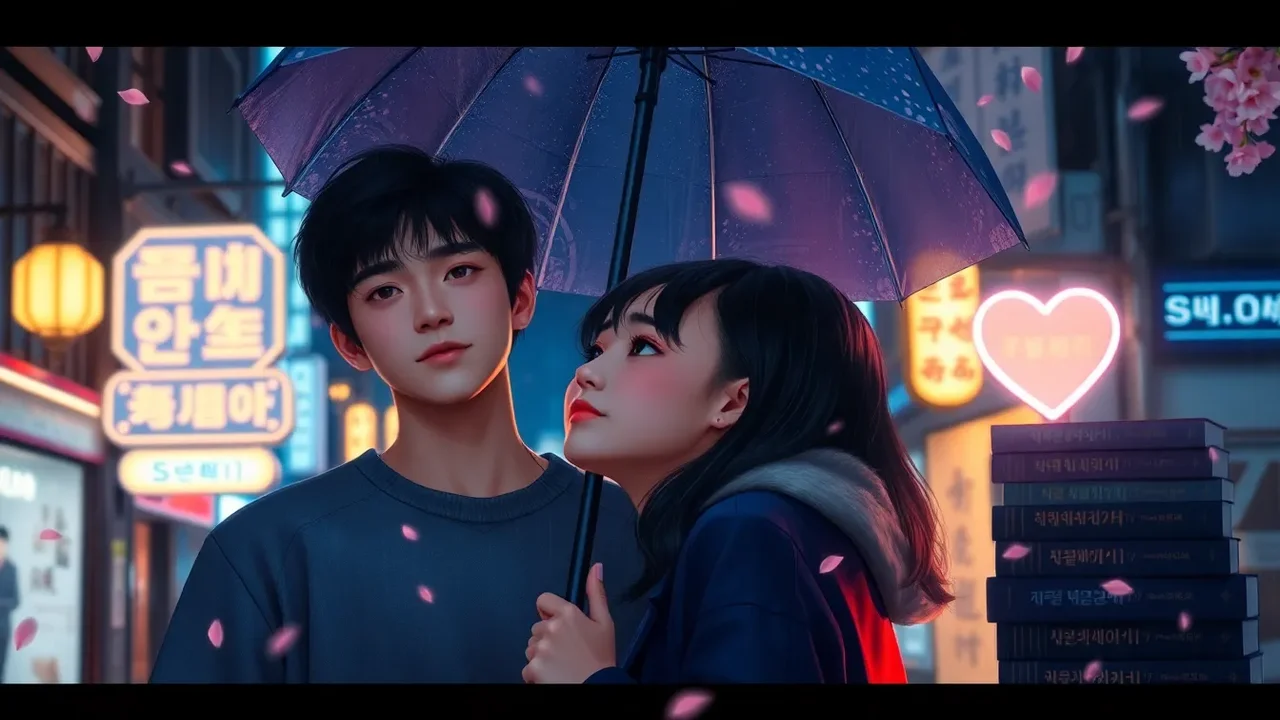
K-drama novel romance distinguishes itself through its profound emotional depth and meticulous character development. Unlike many Western romance novels that often prioritize fast-paced plot or explicit scenes, K-drama inspired narratives invest heavily in building the inner worlds of their protagonists. Readers are taken on a journey where every glance, every hesitation, and every small gesture carries immense weight. This is partly due to the influence of Korean drama storytelling, which emphasizes the importance of jeong (정) – a deep emotional bond that develops over time. Characters are not just lovers; they are individuals with complex backstories, traumas, and growth arcs. For instance, a typical K-drama novel might feature a cold CEO who gradually opens up due to the warmth of the female lead, or a childhood friends-to-lovers trope where years of unspoken feelings finally surface. This slow reveal of vulnerabilities creates a sense of intimacy that feels earned and rewarding. The emotional payoff is heightened by the use of internal monologue, allowing readers to experience the character's inner turmoil directly. Many K-drama novels also include family dynamics that add layers of conflict and resolution, making the romance feel more grounded in reality. The depth of emotion is what makes these stories linger in the reader's mind long after the last page.
Examples of Emotional Payoff
Consider the popular trope of contract relationship where the couple initially agrees to a fake romance for mutual benefit. In K-drama novels, this trope is not just a plot device; it becomes a vehicle for exploring themes of trust, identity, and sacrifice. The emotional payoff comes from seeing the characters break down their walls and choose each other despite the risks. Another example is the second lead syndrome where the author weaves a poignant subplot that makes the reader feel the pain of unrequited love. This level of emotional complexity is rare in other romance genres. The reconciliation scenes are often tear-jerking and cathartic, providing a powerful emotional release. For example, a couple might break up due to a misunderstanding only to reunite after weeks of introspection, leading to a heartfelt apology and a renewed commitment. This pattern of conflict and resolution is a hallmark of K-drama novel romance.
Slow-Burn Romance and Tension
One of the most distinctive features of K-drama novel romance is the deliberate slow-burn pacing. The romance does not happen overnight; it simmers for chapters, with moments of tension, misunderstanding, and longing. This pacing mirrors the episodic structure of K-dramas, where each episode ends with a cliffhanger. In novel form, the slow-burn allows readers to savor every interaction. The author often uses internal monologue to convey the protagonist's inner turmoil, making the eventual confession or kiss feel like a monumental event. The tension is built through a combination of external obstacles (family disapproval, social class differences, career conflicts) and internal conflicts (fear of vulnerability, past trauma). This makes the romance feel more realistic and satisfying. The use of miscommunication as a trope is handled with nuance, serving to highlight the characters' insecurities and the need for honest communication. The slow-burn is also characterized by frequent near-miss moments – almost kisses, almost confessions – that keep the reader on the edge of their seat. The payoff is deeply rewarding because the reader has invested so much time in the journey.
The Role of Miscommunication and Reconciliation
Miscommunication is a common trope in K-drama romance, but it is handled with nuance. Instead of frustrating the reader, it serves to highlight the characters' insecurities and the need for honest communication. The reconciliation scenes are often tear-jerking and cathartic, providing a powerful emotional release. For example, a couple might break up due to a misunderstanding only to reunite after weeks of introspection, leading to a heartfelt apology and a renewed commitment. This pattern of conflict and resolution is a hallmark of K-drama novel romance. The emotional weight of these scenes is amplified by the cultural context of saving face and indirect communication, making the eventual direct confession all the more powerful.
Cultural Nuances and Tropes
Korean culture enriches the romance genre with unique tropes and settings. Tropes like chaebol heir meets commoner, time slip, body swap, and rebirth are recurring themes. These are not just gimmicks; they reflect cultural values such as hierarchy, family honor, and the importance of fate. The childhood connection trope, where the leads met as children and are reunited as adults, taps into the Korean belief in in-yeon (인연) – the idea of destined relationships. The setting often includes authentic Korean locations, food, and traditions, which adds a layer of cultural immersion. For instance, a scene set in a traditional hanok village or during a lantern festival can transport the reader. The use of honorifics in dialogue adds authenticity and reflects social dynamics. These cultural elements make the romance feel distinctive and fresh compared to Western counterparts. Readers often enjoy learning about Korean customs through the lens of romance.
Table: Comparison of K-Drama Romance vs. Western Romance
| Aspect | K-Drama Romance | Western Romance |
|---|---|---|
| Pacing | Slow-burn, episodic tension | Often faster, more direct |
| Emphasis | Emotional depth, character growth | Physical attraction, quick resolution |
| Cultural Elements | Frequent use of Korean customs, food, language | Varies, often generic |
| Conflict Types | Family opposition, class differences, amnesia | Miscommunication, ex-lovers, workplace |
| Ending | Usually happy, but with bittersweet notes | Happily ever after, often with epilogue |
Visual Storytelling and Cinematography in Novels
K-drama novel romance often employs vivid visual descriptions that mimic the cinematography of K-dramas. Authors describe scenes with a focus on lighting, color palettes, and camera angles. For example, a confession scene might be set in a rain-soaked street with dim streetlights, emphasizing the mood. The use of freeze-frame moments – where the narrative pauses to describe a character's expression in detail – is common. This style makes the reading experience highly cinematic. Additionally, the inclusion of dramatic moments like the back hug or wrist grab are iconic in K-drama novels, and they are described with such intensity that readers can visualize them. This visual element is a key reason why K-drama novels feel different from other romance novels. The attention to sensory details – the sound of rain, the scent of cherry blossoms, the warmth of a café – builds an immersive atmosphere that rivals a screen adaptation. Many authors also include soundtrack suggestions or describe specific songs that play in the background, further enhancing the cinematic feel.
Practical Information for Writers
For aspiring authors looking to write K-drama novel romance, here are some tips: focus on emotional beats rather than physical intimacy. Use dialogue that includes honorifics and cultural references. Build a strong supporting cast (friends, family, rivals) that influence the main romance. Use cliffhangers at the end of chapters. Incorporate Korean vocabulary sparingly to add authenticity. Also, consider the trope checklist that many K-drama fans enjoy:
- Yes, but not too many - Use tropes like enemies-to-lovers, but add unique twists.
- Second lead syndrome - Create a compelling second love interest that tests the main couple.
- Noble idiocy - A character sacrifices their happiness for the other's sake, only to be found out.
- Amnesia or time skip - Use these to reset the relationship dynamic.
- Family drama - Include disapproving parents or hidden family secrets.
Unique Blend of Melodrama and Comedy
K-drama novel romance masterfully balances melodrama and comedy. The intense emotional scenes are often intercut with lighthearted moments, such as bickering dialogues, quirky side characters, and slapstick situations. This tonal shift prevents the story from becoming too heavy and keeps the reader engaged. For example, a character might have a tearful breakdown over a misunderstanding, only to be followed by a comedic scene where they accidentally spill coffee on their rival. This blend reflects the Korean concept of heung (흥) – the joy and excitement that comes from emotional highs and lows. The humor is often derived from cultural idiosyncrasies, like the exaggerated reactions of a protagonist's mother or the antics of a nosy friend. This makes the romance feel more dynamic and realistic. The drunk confession trope is a classic example: the normally reserved character gets drunk and reveals their feelings in an overly dramatic way, then regrets it the next morning. This blend of vulnerability and humor endears the characters to the reader.
Examples of Heartfelt Humor
In many K-drama novels, the male lead's initial coldness is broken by his clumsiness around the female lead, leading to funny misunderstandings. The comedic timing is often enhanced by the use of internal monologue where the character internally panics while maintaining a stoic exterior. The side characters, such as a meddling best friend or a wise grandmother, provide comic relief while also pushing the romance forward. The humor never undermines the emotional stakes; instead, it makes the characters more lovable and the romance more accessible.
Influence of K-Drama Adaptations
Many K-drama romance novels are written with the explicit intention of being adapted into a television series, or they are novelizations of existing dramas. This cross-media influence shapes the narrative structure. Chapters are often designed to mimic episodes, with a cliffhanger at the end of each. Descriptions include visual cues that would translate well to screen: dramatic lighting, close-ups, and slow-motion moments. The dialogue is snappy and memorable, often including quotable lines. For readers, knowing that a story has the potential to be a drama adds an extra layer of excitement. They can imagine the casting, the soundtrack, and the iconic scenes. This is why K-drama novel romance hits different – it's not just a book; it's a blueprint for a visual experience. The popularity of platforms like Webnovel and Wattpad has fueled this trend, with many web novels being picked up for adaptation. This feedback loop between novel and drama ensures that the storytelling remains fresh and engaging.
Practical Information for Readers
If you are new to K-drama novel romance, here are some recommended starting points: Look for novels by authors like Kim Eun-hee or Moon Soo, or adaptations of popular dramas like Crash Landing on You or Goblin. Many are available on platforms like Webnovel, Wattpad, or official translations from Korean publishers. Pay attention to the tags – common ones include cold CEO, contract marriage, slow burn, second chance, and childhood friends. The following table lists popular tropes and their appeal:
| Trope | Appeal | Example |
|---|---|---|
| Enemies to Lovers | High tension, witty banter, gradual shift | Two rivals in a corporate setting forced to collaborate |
| Contract Marriage | False pretense leads to real feelings | Heiress needs a spouse to inherit, CEO needs a wife for image |
| Time Slip/Regression | Second chance to right wrongs, romance across time | Protagonist goes back to high school to change fate |
| Secret Identity | Mystery, reveal, and the thrill of the unknown | Poor girl turns out to be a chaebol heiress |
Wish Fulfillment and Escapism
K-drama novel romance offers a powerful form of escapism. The fantasy of being swept off your feet by a wealthy, handsome, and emotionally intelligent CEO, or being reunited with a childhood friend who has become a successful doctor, is deeply appealing. The settings are often glamorous: high-end apartments, luxury cars, and exotic vacations. At the same time, the emotional realism grounds the fantasy, making it feel attainable. The protagonist is often an ordinary person who finds extraordinary love, which resonates with readers who seek validation and hope. The contrast between the harsh realities of life and the idealized romance creates a therapeutic experience. Many readers turn to K-drama novels after a stressful day to immerse themselves in a world where love conquers all obstacles. The wish fulfillment is not just about romance; it also includes personal growth, career success, and self-acceptance. The characters often overcome their insecurities, which inspires readers to believe in their own potential.
Why It Hits Different
The phrase hits different is apt because K-drama romance novels provide a unique emotional cocktail. The combination of slow-burn tension, cultural authenticity, visual storytelling, and deep character arcs creates a reading experience that is both familiar and novel. It's not just about the romance; it's about the journey of self-discovery, the importance of family, and the beauty of everyday moments. The tropes, though sometimes clichéd, are executed with such sincerity that they feel fresh. Moreover, the influence of K-drama adaptations means that many novels are written with a potential screen adaptation in mind, which adds a layer of cinematic quality. The community aspect – fans discussing theories, shipping characters, and sharing fan art – enhances the experience. Many readers find themselves unable to put down a K-drama novel, staying up late to finish just one more chapter.
Top 5 Reasons Why K-Drama Novel Romance Hits Different
- Emotional investment - The slow-burn makes every milestone feel significant.
- Cultural richness - Unique settings and traditions create a fresh backdrop.
- Cinematic writing - Vivid descriptions that feel like watching a drama.
- Complex characters - Growth arcs that are relatable and inspiring.
- Escapist fantasy - Idealized love that still feels grounded in reality.
The Role of Soundtrack and Atmosphere
Although novels lack music, many K-drama romance novels include descriptions of songs or ambient sounds, like the sound of rain or a specific piano piece. Authors often recommend a playlist to accompany reading. This multisensory approach immerses the reader deeper. The atmosphere is meticulously crafted: the scent of cherry blossoms, the chill of autumn air, the warmth of a café. These sensory details make the story feel alive. Readers often report that they can hear the OST in their heads while reading, which is a testament to the power of the writing. The combination of visual and auditory cues creates a rich, layered experience that is distinct from other romance genres. This is why K-drama novel romance continues to capture the hearts of readers worldwide.
FAQ - Why K-Drama Novel Romance Hits Different
What makes K-drama novel romance different from Western romance novels?
K-drama novel romance emphasizes slow-burn pacing, emotional depth, and cultural authenticity. It focuses on character development and internal conflict rather than physical intimacy, often incorporating Korean tropes like chaebol heirs, contract marriages, and time slips. The writing style is cinematic, with vivid descriptions that mimic K-drama cinematography, and the stories often include family dynamics and societal pressures that add layers of realism.
Why are K-drama romance novels so addictive to read?
The addictive quality comes from the episodic cliffhangers, emotional highs and lows, and the promise of a satisfying happy ending. The slow-burn tension keeps readers engaged, while the relatable characters and wish-fulfillment fantasy provide a comforting escape. The community aspect, with fans discussing theories and sharing fan art, also enhances the reading experience.
What are some common tropes in K-drama novel romance?
Popular tropes include enemies-to-lovers, contract marriage, childhood friends to lovers, amnesia, time slip/regression, secret identity, and second lead syndrome. These tropes are often combined with cultural elements such as family honor, class differences, and the concept of fate (in-yeon). Authors use these tropes as a foundation but add unique twists to keep them fresh.
Can K-drama novel romance be enjoyed by readers unfamiliar with Korean culture?
Absolutely. While cultural nuances add depth, the universal themes of love, sacrifice, and personal growth are accessible to all readers. Many novels include contextual explanations, and the immersive storytelling makes it easy to enjoy the romance without prior knowledge. Readers often find themselves drawn to learn more about Korean culture through the stories.
How do K-drama novel romances handle mature content compared to Western romance?
K-drama novel romance tends to focus on emotional intimacy rather than explicit physical scenes. The romance is built on longing, glances, and small gestures, with the first kiss or confession being a major milestone. This approach aligns with cultural norms and often appeals to readers who prefer a more chaste but deeply emotional narrative. The tension is maintained through other forms of intimacy, such as shared vulnerabilities and tender moments.
Are K-drama novel romances usually adapted into TV dramas?
Yes, many popular K-drama novel romances are adapted into television series, especially those published on platforms like Webnovel and Wattpad. The reverse is also common: popular dramas are novelized. This cross-media relationship means that novels are often written with a visual adaptation in mind, featuring cinematic descriptions and episode-like chapter structures. This makes the reading experience feel like watching a drama.
K-drama novel romance hits different due to its slow-burn pacing, emotional depth, and cultural authenticity. It combines cinematic writing with unique tropes like contract marriage and time slips, offering an immersive escape. The focus on character development and heartfelt moments creates a deeply satisfying reading experience that resonates with global audiences.
K-drama novel romance hits different because it seamlessly blends emotional depth, cultural authenticity, and cinematic storytelling into a package that resonates deeply with readers. The slow-burn pacing, complex characters, and unique tropes create an immersive escape that feels both familiar and fresh. Whether you are a long-time fan or a newcomer, the genre offers a rich tapestry of love, growth, and heartfelt moments that leave a lasting impression. It is a testament to the power of storytelling that transcends borders, reminding us that romance, at its core, is about the journey of two souls finding each other against all odds.