The Emotional Rollercoaster
K-drama romance novels master the art of taking readers on an intense emotional journey. Unlike many Western romance novels that resolve conflicts quickly, these stories stretch tension across chapters, making every smile, touch, and confession feel earned. The pacing is deliberate, often building from a chance encounter to a slow-burning connection that keeps readers turning pages late into the night. Emotional highs and lows are carefully orchestrated: a misunderstanding in chapter 5, a secret revealed in chapter 10, a heartfelt apology in chapter 15. This structure mirrors the addictive nature of K-drama television series, where each episode ends on a cliffhanger. In novel form, the same principle applies—each chapter ends with a hook that compels the reader to continue.
Why Emotional Investment Matters
Readers become deeply invested because the characters feel real. Their struggles—whether familial pressure, career dilemmas, or past trauma—are presented with nuance. The romance is not just about falling in love; it is about overcoming obstacles together. This emotional depth creates a bond between the reader and the story, making it hard to put down. Empathy is the key ingredient. When a protagonist cries over a breakup, the reader feels that pang of heartbreak. When they finally reunite, the joy is palpable. This rollercoaster is addictive because it triggers genuine emotional responses, releasing dopamine and oxytocin in the brain—the same chemicals associated with real-life love and attachment.
The Art of Slow Burn Romance
One of the defining features of K-drama romance novels is the slow burn. The romance develops gradually, often over hundreds of pages. There are no instant declarations of love; instead, the relationship evolves through small gestures—a shared umbrella, a lingering glance, a hand brushing against another. This pacing allows readers to savor every moment. Anticipation builds as the characters inch closer to acknowledging their feelings. The payoff, when it finally comes, is immensely satisfying. This slow burn is a departure from the instant attraction found in many Western romance novels, offering a more realistic and emotionally resonant experience.
Examples of Slow Burn Techniques
Authors use several techniques to prolong the romantic tension. Misunderstandings are common, but they are handled with maturity. For instance, a character might overhear a conversation out of context, leading to a temporary rift. But rather than resolving it quickly, the author lets the misunderstanding simmer, allowing both characters to reflect and grow. Another technique is the use of forced proximity—characters are thrown together in a shared workspace, a small apartment, or a long journey. This proximity creates countless opportunities for intimate moments, yet the romantic tension remains unresolved for as long as possible. The result is a page-turner that keeps readers guessing when the first kiss will finally happen.
Unique Tropes and Themes
K-drama romance novels are rich with tropes that readers find irresistible. These include the chaebol heir who falls for an ordinary employee, the childhood friends who reunite as adults, the contract marriage that turns real, and the time slip where a modern woman finds herself in a historical setting. Each trope offers a familiar framework but with fresh cultural twists. For example, the contract marriage trope often involves family obligations, societal expectations, and a gradual discovery of genuine affection. These themes resonate because they blend fantasy with relatable conflicts. Readers can escape into a world where love conquers all, yet the characters face real-world pressures like debt, family honor, and career setbacks.
Table: Comparison of Common Tropes
| Trope | Typical K-Drama Romance Novel | Why It's Addictive |
|---|---|---|
| Chaebol Heir | Rich, handsome CEO falls for a hardworking, kind-hearted employee | Power dynamics create tension; the transformation from arrogance to devotion is satisfying |
| Childhood Friends | Two friends who grew up together realize they are meant for each other | Built-in history and emotional depth; readers root for the inevitable reunion |
| Contract Marriage | A fake marriage for convenience slowly becomes real | The gradual shift from transactional to emotional is highly engaging |
| Time Slip | A modern character travels to the past or future and finds love | Combines historical or futuristic settings with romance; offers unique world-building |
Cultural Elements and Escapism
K-drama romance novels offer a window into Korean culture, which adds a layer of fascination for international readers. Details about food (kimchi jjigae, tteokbokki), fashion (hanbok, modern K-fashion), and social customs (bowing, honorifics) enrich the narrative. This cultural immersion is a form of escapism. Readers can explore a different world without leaving their homes. The novels often highlight values like filial piety, community, and perseverance, which resonate universally but are presented through a distinctly Korean lens. The settings—bustling Seoul streets, serene countryside villages, cozy café corners—are vividly described, making the reader feel as though they are part of the story.
Escapism Through Idealized Love
Beyond culture, K-drama romance novels present an idealized version of love. The male lead is often a “perfect” boyfriend—handsome, wealthy, protective, and emotionally vulnerable only for the heroine. The female lead is relatable—smart, kind, and flawed, but ultimately deserving of love. This fantasy is addictive because it offers comfort and hope. In a world where relationships can be complicated, these novels provide a safe space where true love always wins. The conflicts are serious but never insurmountable, and the endings are almost always happy. This predictability is part of the appeal; readers know they will get a satisfying conclusion, but the journey is what keeps them coming back.
Characters and Chemistry
The chemistry between the main characters is the heart of any K-drama romance novel. Authors spend significant time developing their personalities, backstories, and interactions. The dialogue is witty and heartfelt, often filled with double meanings and unspoken emotions. Physical descriptions are detailed but not overly explicit; the focus is on the emotional connection rather than physical intimacy. This makes the romance feel pure and intense. Side characters also play crucial roles—the best friend who offers advice, the rival who creates obstacles, the family members who add pressure. These characters enrich the story and make the world feel complete.
List: Key Elements of Character Chemistry
- Banter: Playful arguments that reveal underlying affection.
- Eye contact: Descriptions of lingering looks that convey unspoken feelings.
- Sacrifice: Characters willing to give up something important for the other.
- Growth: Each character changes and matures because of the relationship.
- Support: They encourage each other's dreams and ambitions.
Visual Storytelling in Prose
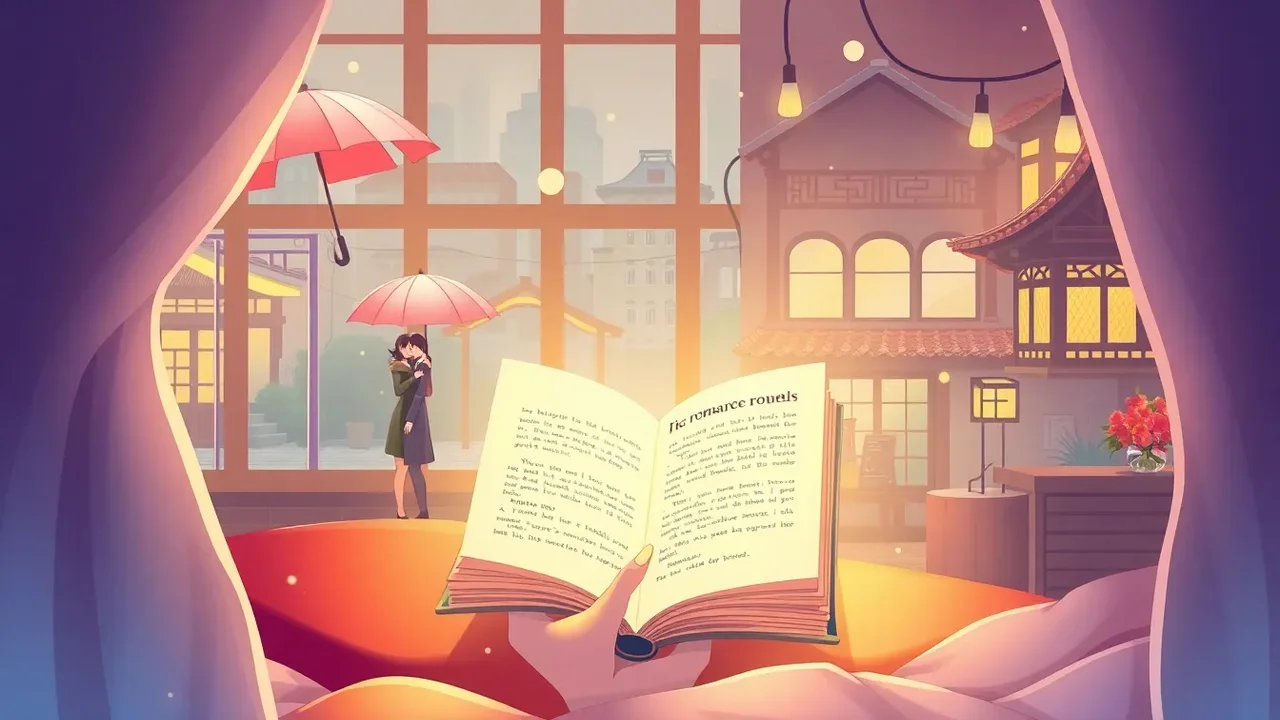
K-drama romance novels often employ visual storytelling techniques borrowed from their television counterparts. Scenes are described with cinematic detail—camera angles, lighting, and even background music references. For example, a confession scene might be set in the rain, with the heroine’s hair plastered to her face and the hero holding an umbrella, the sound of raindrops drowning out the world. This visual language makes the reading experience immersive. Readers can easily picture the scene as if watching a drama. The novels also use flashbacks and montages effectively, revealing past memories that deepen the emotional impact. This blending of literary and visual art forms creates a unique reading experience that is hard to find elsewhere.
Community and Fandom
Finally, the addictive nature of K-drama romance novels is amplified by the community that surrounds them. Online forums, social media groups, and fan translation teams create a vibrant ecosystem. Readers share their favorite moments, discuss theories, and recommend new novels. This sense of belonging makes the reading experience social. Fan art and fan fiction further extend the story, allowing readers to stay in the world long after the last page. The availability of web novels and serialized content means there is always something new to read. Many novels are released chapter by chapter, creating a weekly anticipation similar to waiting for the next episode of a K-drama. This serialized format hooks readers and keeps them engaged over months or even years.
The Role of Web Novels
Platforms like Wattpad, Radish, and Korean web novel sites have popularized the genre. Authors often interact directly with readers, taking feedback and adjusting plots. This interactive element makes readers feel invested in the story's outcome. The combination of addictive storytelling, cultural richness, emotional depth, and community involvement explains why K-drama romance novels have become a global phenomenon. Once you start, it is nearly impossible to stop.
FAQ - Why K-Drama Romance Novels Are So Addictive
What makes K-drama romance novels different from other romance genres?
K-drama romance novels emphasize slow-burn pacing, emotional depth, and cultural elements like Korean customs, food, and values. They often feature unique tropes such as contract marriages, chaebol heirs, and time slips, and focus on emotional connection rather than physical intimacy.
Why are K-drama romance novels considered addictive?
The addictive quality comes from the emotional rollercoaster, cliffhanger chapter endings, relatable characters, and the satisfying payoff of a slow-burn romance. The serialized release format and vibrant fan community also keep readers engaged.
Can I read K-drama romance novels if I am not familiar with Korean culture?
Absolutely. These novels are written for a global audience, with explanations of cultural terms woven into the story. The universal themes of love, family, and perseverance make them accessible to anyone.
What are the most popular tropes in K-drama romance novels?
Popular tropes include the chaebol heir falling for a commoner, childhood friends reuniting, contract marriages turning real, time travel romance, and enemies-to-lovers. Each offers a familiar yet fresh storyline.
How do K-drama romance novels compare to watching actual K-dramas?
Novels allow for deeper internal monologue and character introspection, while dramas offer visual and auditory elements. Both share similar pacing and emotional beats, but novels let you imagine the scenes at your own pace.
Where can I find K-drama romance novels to read?
They are available on platforms like Wattpad, Radish, Amazon Kindle, and Korean web novel sites such as Munpia and KakaoPage. Many are translated into English by fans or official publishers.
K-drama romance novels are addictive due to their slow-burn pacing, emotional depth, unique tropes, and cultural immersion. Readers are drawn to the intense chemistry between characters, cliffhanger chapter endings, and the satisfying emotional payoff. The serialized format and vibrant fan community further enhance the reading experience, making these novels hard to put down.
K-drama romance novels captivate readers through their masterful blend of emotional depth, slow-burn pacing, cultural richness, and relatable characters. The addictive nature lies in the perfect balance of anticipation and payoff, supported by a passionate community that keeps the genre thriving. Whether you are a long-time fan or a curious newcomer, these novels offer an escape into a world where love is both a journey and a destination. The genre's global appeal shows no signs of slowing down, promising countless more stories that will make hearts flutter and pages turn.